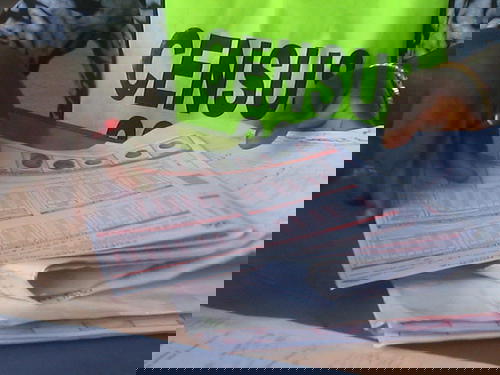
As Nigeria marks two decades without an official census, the implications for governance and policy-making grow increasingly critical. The last census, conducted in 2006, has left the nation grappling with outdated demographic data, complicating resource allocation, electoral representation, and social services.
Key developments include the government's repeated postponements of the 2021 census, primarily due to logistical challenges and the COVID-19 pandemic. Stakeholders express concern over the lack of reliable data, with Dr. Ayo Odukoya, a demographer, stating, "Without accurate population figures, planning for healthcare, education, and infrastructure becomes a shot in the dark." This situation exacerbates existing inequalities and hinders targeted interventions, particularly in regions most affected by socio-economic disparities.
Looking forward, Nigeria must prioritize conducting a credible census to inform policies and foster sustainable development. As the nation navigates a complex landscape of population growth and urbanization, the urgency of accurate demographic insights cannot be overstated. Ensuring a successful census will be pivotal for Nigeria’s future governance and socio-economic stability.