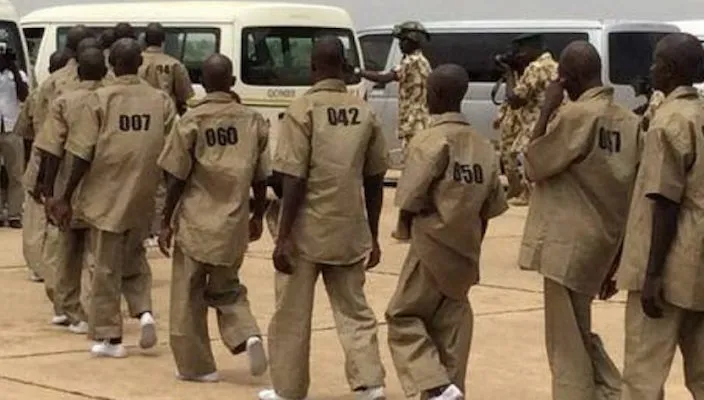
Nigeria’s escalating insecurity has sparked a critical debate on the efficacy of prayer as a solution to deep-rooted societal issues. Chidi Anselm Odinkalu argues that the reliance on spiritual interventions distracts from the urgent need for structural reforms and accountability. With attacks from insurgent groups and bandits rampant, many citizens feel abandoned by the state, leading to a growing sense of frustration among marginalized communities.
Odinkalu emphasizes the potential consequences of neglecting these grievances, stating, “If the state continues to ignore the cries of its citizens, they will eventually demand their rights through more radical means.” This sentiment reflects a broader discontent with the government's failure to address the underlying factors contributing to insecurity, including poverty, unemployment, and lack of access to education.
As Nigeria grapples with these challenges, the call for meaningful dialogue and action grows louder. The reliance on prayer alone may provide temporary solace but will not resolve the pressing issues at hand. Looking ahead, it is imperative for policymakers to acknowledge the complexities of insecurity and engage with citizens to foster a more secure and just society.