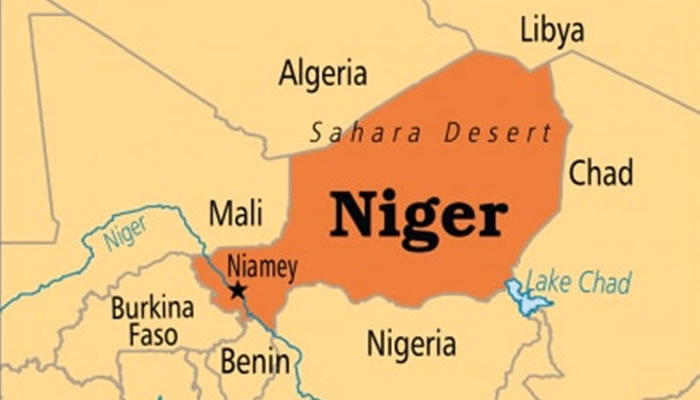
Niger's formal request to withdraw from the International Criminal Court (ICC) marks a significant shift in the West African nation's legal and diplomatic landscape. This move, announced nine months after Niger, Mali, and Burkina Faso first signaled their intent to exit the tribunal, underscores growing tensions between these countries and international legal norms.
The ICC, based in The Hague, has faced criticism from several African nations, which argue that the court disproportionately targets African leaders. Niger's decision reflects a broader sentiment among some African states that view the ICC as an imperialist institution undermining their sovereignty. As Niger’s Prime Minister, Ali Mahaman Lamine Zeine, noted, "We must reclaim our sovereignty and ensure our justice systems are respected."
Looking ahead, this withdrawal could embolden other African nations to reconsider their affiliations with international legal frameworks, potentially undermining the ICC's authority. The implications of these decisions may lead to increased regional isolation for the tribunal and shift the balance of power in international law, particularly as African nations seek to assert their judicial autonomy.