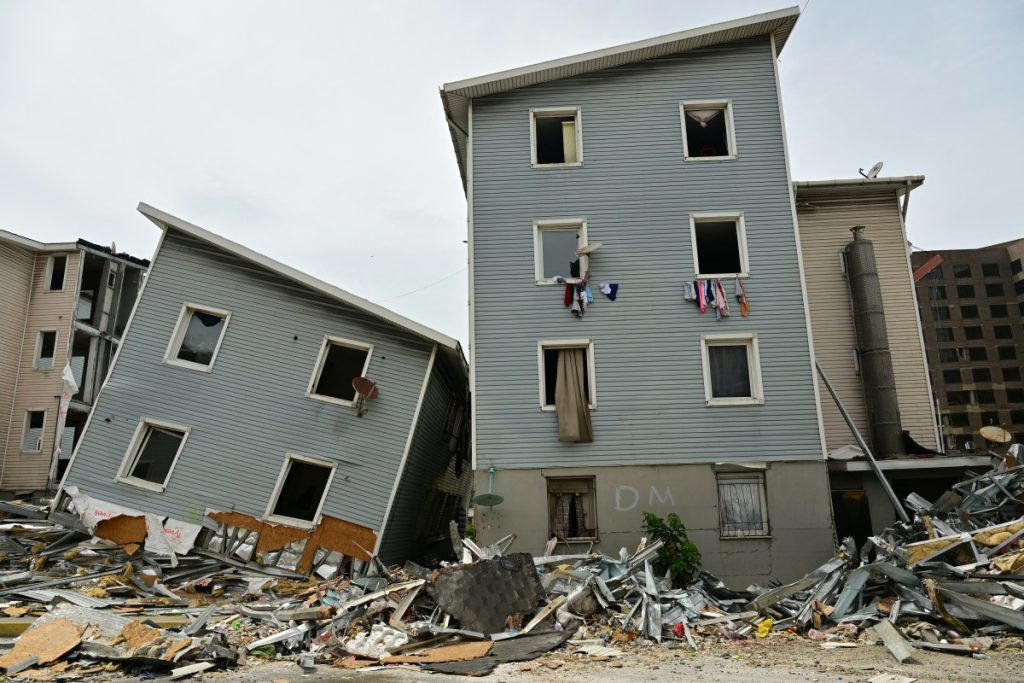
Venezuela is grappling with a devastating humanitarian crisis following twin earthquakes that struck on June 24, resulting in nearly 4,000 confirmed deaths and widespread destruction. The seismic events, measuring 7.2 and 7.5 in magnitude, injured approximately 17,000 individuals and displaced nearly 18,000 families, compounding an already precarious situation in a nation plagued by economic collapse and political instability.
Government officials are struggling to coordinate rescue and recovery efforts amidst a lack of resources and infrastructure challenges. In a recent statement, Maria Torres, the Minister of Health, emphasized, "Our priority is to provide immediate medical aid and shelter to those affected, but we need international support to meet the overwhelming demand."
As aftershocks continue to pose risks, the international community is urged to respond promptly. The long-term implications of these disasters may exacerbate existing social tensions and humanitarian needs, pressing the Venezuelan government to seek collaboration and aid from neighboring countries and global organizations. The recovery process will likely be arduous, highlighting the urgent need for a sustainable plan to address both immediate and future challenges.