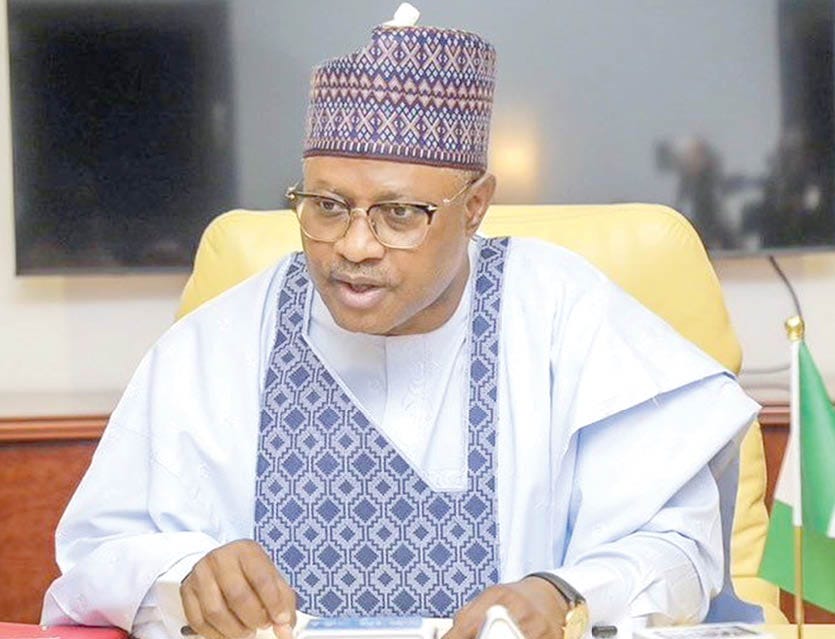
The ongoing political turmoil surrounding the deregistration of the National Democratic Congress (NDC) highlights deepening divisions within Nigeria’s political landscape. Governor Uba Sani of Kaduna recently emphasized the inconsistency of politicians who selectively praise judicial decisions, stating, "We cannot applaud the courts when the judgments are in our favor and condemn them when they are not." His remarks come as former Anambra State Governor Peter Obi faces scrutiny over his past reliance on judicial decisions to advance his political career.
This situation underscores a broader trend where political leaders often manipulate judicial outcomes to serve their interests. The NDC's deregistration may not only impact party dynamics but also reflect the judiciary's evolving role in Nigerian politics. As the 2027 elections approach, the political ramifications could be significant, potentially leading to heightened tensions among parties.
The future of the NDC and similar parties now hinges on the judiciary's response to appeals and the broader implications for electoral integrity. With upcoming elections on the horizon, the judiciary's credibility and its role in upholding democratic principles will be more critical than ever.
