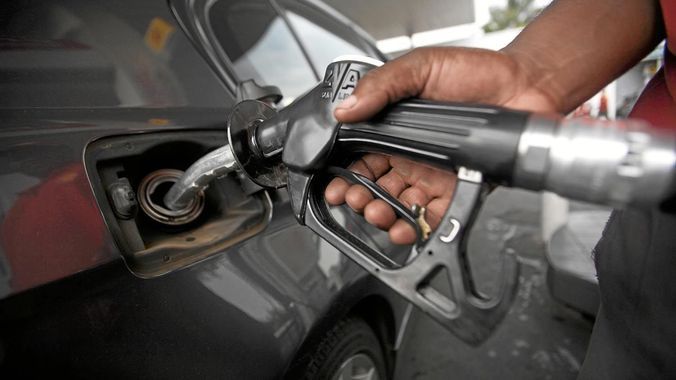
The recent surge in petrol prices to N1,288.54 per litre in March marks a significant economic challenge for Nigeria, reflecting a troubling trend in fuel affordability. According to the National Bureau of Statistics (NBS), this price increase from N1,051.47 in February signals heightened inflationary pressures and potential disruptions in transportation and goods distribution.
Stakeholders are voicing concerns over the implications of such price hikes. "This increase is unsustainable for the average Nigerian, especially as it compounds other rising costs of living," stated Emeka Uzochukwu, an economist at the Nigerian Economic Summit Group. The impact of rising fuel prices can ripple through various sectors, exacerbating existing economic vulnerabilities.
Looking ahead, the government's response to this crisis will be crucial. Policymakers must consider strategies to stabilize fuel prices while ensuring that essential services remain accessible to citizens. Without intervention, this upward trajectory in petrol prices could deepen economic disparities and lead to public unrest, necessitating urgent and effective measures to mitigate further financial strain on households.