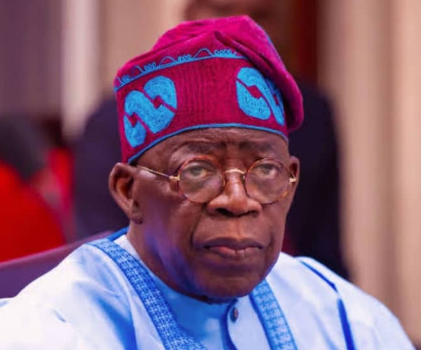
During the NADECO@32 event, President Bola Tinubu asserted that powerful interests linked to oil subsidy and exchange rate policies are conspiring against him. This claim underscores the intense backlash his administration has faced since implementing significant economic reforms in 2023, aimed at stabilizing Nigeria's struggling economy. Tinubu's remarks reflect a growing divide between his government and entrenched elites who benefit from the status quo.
The president stated, “Those who are profiting from the oil subsidy and exchange rate manipulations want me dead,” emphasizing the personal risks he perceives in pursuing his agenda. His policies have sparked widespread protests and discontent among various segments of society, particularly those directly affected by fuel price hikes and currency volatility. This tension suggests a critical juncture for Tinubu's leadership, as he navigates both economic challenges and political opposition.
Looking ahead, the success of Tinubu's reforms may hinge on his ability to communicate the long-term benefits of his policies while addressing immediate public concerns. As dissent grows, the president must also consider strategies to mitigate backlash and foster broader support for his economic vision, which remains crucial for Nigeria's future stability and growth.
