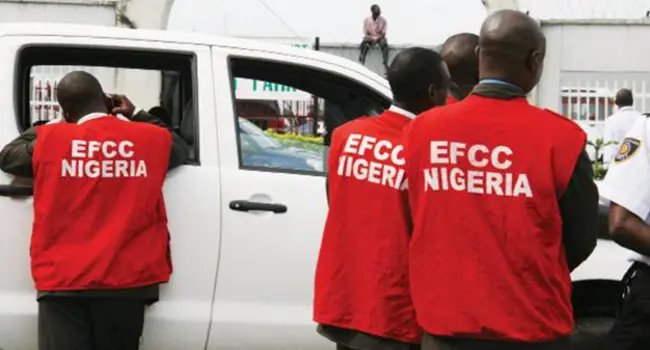
The arraignment of Ahmed Adamu Dikko, former Managing Director of Port Harcourt Refining Company, by the Economic and Financial Crimes Commission (EFCC) marks a significant step in Nigeria's ongoing battle against corruption. Dikko faces a 12-count charge of money laundering involving a staggering N1.32 billion, underscoring the persistent issues of financial mismanagement in the oil sector.
The EFCC alleges that Dikko engaged in fraudulent activities that severely impacted the country's refining capacity, contributing to Nigeria's ongoing fuel crisis. This case is emblematic of broader systemic corruption that has plagued Nigeria's oil industry for decades. "We are committed to holding accountable those who abuse their positions for personal gain," stated EFCC Chairman Abdulrasheed Bawa.
As the trial unfolds, it is poised to shed light on the deeper issues within Nigeria's energy sector and the extent of bureaucratic corruption. The outcome could either bolster public trust in the EFCC's effectiveness or lead to further skepticism about the agency's ability to tackle entrenched corruption. This case serves as a critical reminder of the urgent need for transparency and accountability in Nigeria's governance.