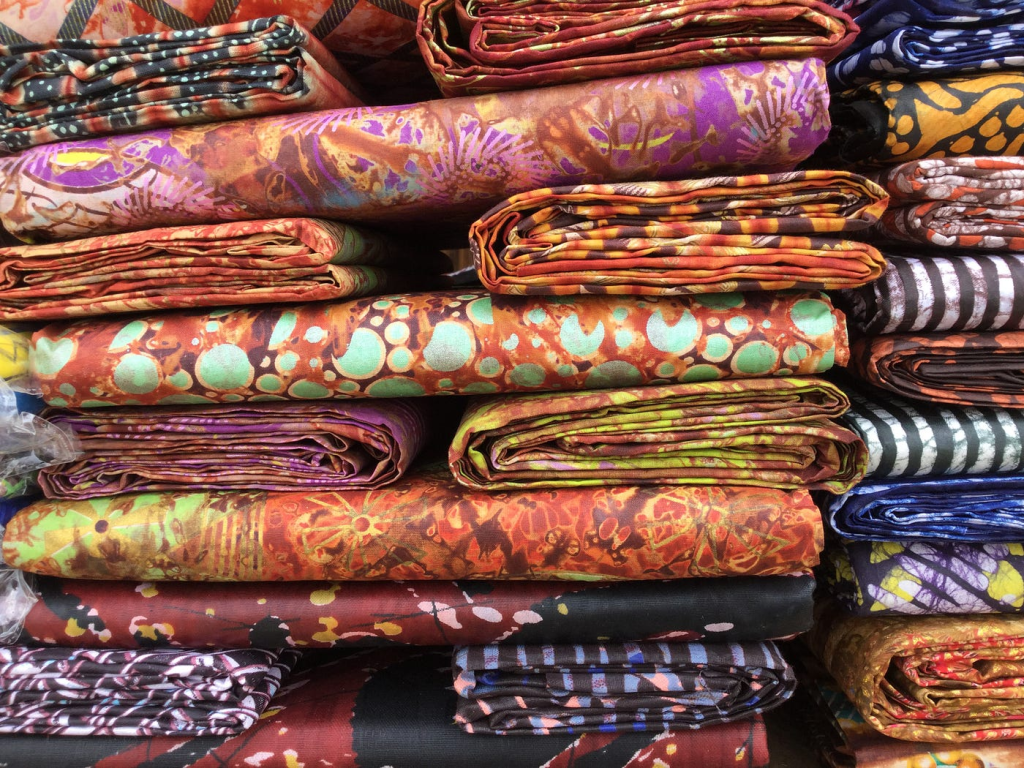
The federal government's recent decision to replace the traditional khaki uniform of the National Youth Service Corps (NYSC) with the culturally significant Adire fabric has ignited a vigorous debate across Nigeria. This policy aims to bolster local textile production and promote cultural heritage, yet it risks alienating those who view the khaki as a cherished symbol of national unity and discipline.
Critics argue that the khaki uniform has become an integral part of the NYSC identity, providing a sense of camaraderie among corps members. "While promoting local textiles is commendable, we must not forget the historical significance that the khaki holds for thousands of Nigerians," stated Dr. Amina Bello, a sociologist at the University of Lagos. Supporters, however, see the shift as a progressive step towards embracing indigenous craftsmanship and fostering economic growth.
As Nigeria grapples with balancing tradition and innovation, this decision may pave the way for broader discussions about national identity and cultural expression. The outcome will ultimately depend on the government's ability to harmonize the aspirations of both traditionalists and modernists, ensuring that the NYSC remains relevant in an evolving society.