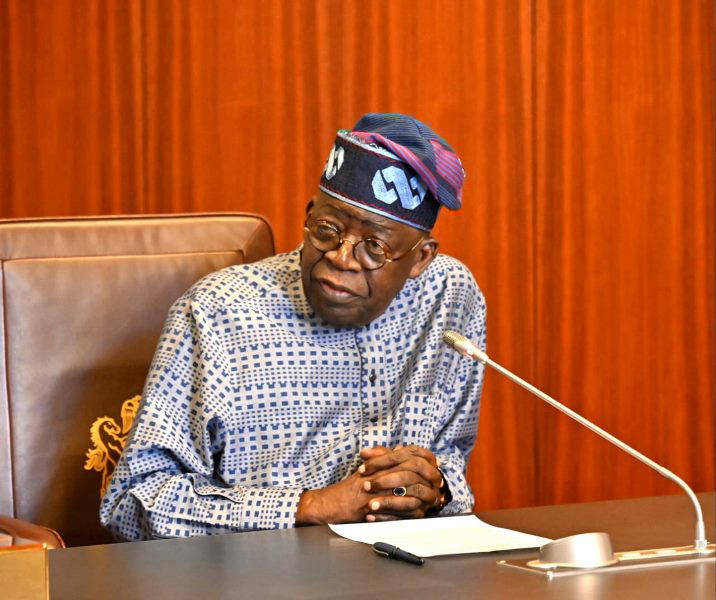
As Nigeria marked Workers' Day on May 1, 2026, President Bola Tinubu's declaration of insecurity and poverty as national emergencies underscored the urgent challenges facing the nation. With rising crime rates and economic hardship, Tinubu emphasized that these crises threaten job creation and overall productivity, crucial for Nigeria's growth.
In his address, Tinubu stated, “We cannot ignore the realities of insecurity and poverty; they are dire threats to our workforce and our future.” This declaration comes amid increasing public discontent and protests over the rising cost of living and inadequate security measures. Nigeria's economic landscape has been further strained by global shifts and internal mismanagement, leading many citizens to struggle with basic needs.
Looking ahead, the government's ability to address these emergencies will be critical. Stakeholders are calling for immediate policy reforms and strategic investments in security and social welfare programs to stabilize the economy and restore public confidence. How Tinubu's administration navigates these challenges may define Nigeria's trajectory in the coming years, impacting not just labor conditions but the broader socio-economic fabric of the nation.
