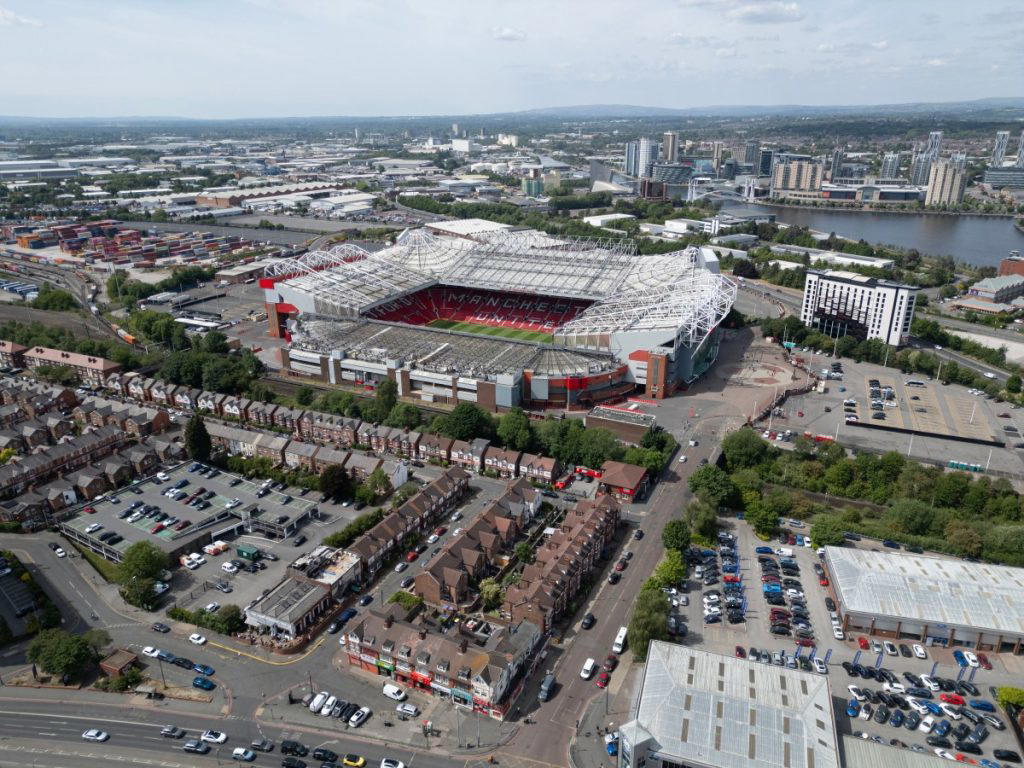
Manchester United's recent acquisition of land for a new 100,000-seater stadium signifies a pivotal moment in the club's ongoing evolution, reflecting its ambition to remain a titan in global football. This strategic move, nestled near the storied Old Trafford, aims to enhance matchday experiences and cater to a growing fanbase, while also addressing the limitations of the current stadium's capacity.
The club's management has long recognized the need for modernization. Executive Vice-Chairman Ed Woodward stated, "This new stadium will not only increase our capacity but also elevate the overall experience for our passionate supporters." This commitment to infrastructure development underscores the urgency for the club to compete financially and operationally in the increasingly competitive landscape of European football.
As Manchester United forges ahead, the implications extend beyond mere numbers. A state-of-the-art stadium could bolster revenue streams through enhanced facilities and hospitality options, positioning the club for future success. Fans and stakeholders alike will be keenly watching how this ambitious project unfolds, as it may redefine the club's prospects in the coming decades.