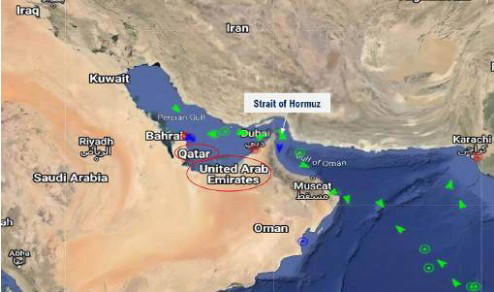
Iran's ultimatum to the United States to lift its blockade of ports within 30 days marks a critical juncture in Middle Eastern geopolitics. Tensions have simmered for years over sanctions, territorial disputes, and proxy conflicts, but this bold move suggests a dramatic escalation. Iran's leaders, facing internal pressures and external isolation, are pushing for a decisive change in U.S. policy.
As the deadline looms, Iranian Foreign Minister Hossein Amir-Abdollahian stated, "We will not hesitate to take necessary measures if our demands are not met." This proclamation signals a willingness to consider military options, raising concerns about potential conflicts that could further destabilize the region. The U.S. has previously maintained that the blockade is essential for national security, complicating any negotiations.
Looking ahead, the international community must brace for the consequences of this ultimatum. A failure to resolve the situation diplomatically could ignite further hostilities, impacting not only U.S.-Iran relations but also broader stability across the Middle East. As various stakeholders weigh their options, the next 30 days will be crucial in determining the region's future trajectory.