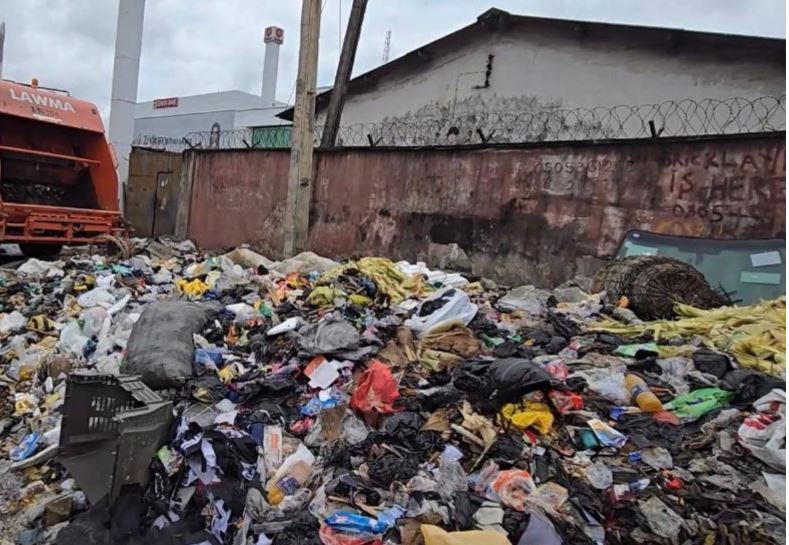
Lagos is grappling with unprecedented flooding that has submerged key areas including Ago Palace Way, Gbagada, Isashi, Iba, Ojo, and Okokomaiko, forcing residents to evacuate their homes. As relentless rainfall continues, many have sought refuge with family and friends, amplifying the region's ongoing housing crisis. The local government has been criticized for a lack of preparedness and infrastructure resilience, which has exacerbated the flooding situation.
“This disaster highlights the urgent need for improved drainage systems and urban planning in Lagos,” stated Dr. Abiola Okunola, a climate expert. The aftermath of the flooding not only poses immediate threats to public safety but also threatens long-term economic stability as businesses are disrupted and recovery costs mount.
As authorities scramble to respond, the need for comprehensive disaster management strategies is more pressing than ever. Future urban planning must prioritize sustainable development to mitigate the impacts of climate change. Without decisive action, Lagos may face an even greater crisis as weather patterns become increasingly unpredictable. The current flooding serves as a wake-up call for stakeholders to invest in adaptive measures that protect vulnerable communities.
