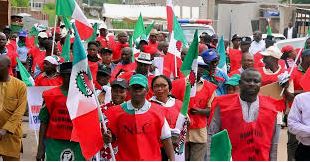
The renewed pressure to privatise Nigeria's Unity Schools has sparked significant concern among labor groups, highlighting ongoing tensions between government education policies and public interest. The Association of Senior Civil Servants of Nigeria (ASCSN) has voiced strong opposition to these alleged plans, arguing that privatisation could undermine the quality of education provided to students from diverse socioeconomic backgrounds.
ASCSN Secretary-General, Alade Lawal, emphasized the potential consequences, stating, "Privatising Unity Schools would not only diminish educational standards but also widen the gap between the rich and the poor." This warning comes amid an ongoing debate about the effectiveness and accessibility of federal educational institutions, which have historically been a cornerstone of Nigeria’s educational landscape.
As the government faces mounting pressure to improve educational outcomes amidst budget constraints, the future of Unity Schools hangs in the balance. Stakeholders are increasingly concerned that the push for privatisation could lead to a fragmented education system, exacerbating inequality. The outcome of this debate will likely influence Nigeria's educational policy and access for years to come.