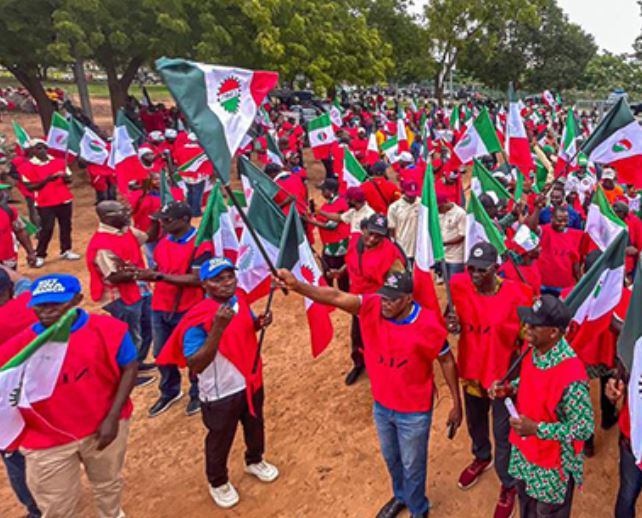
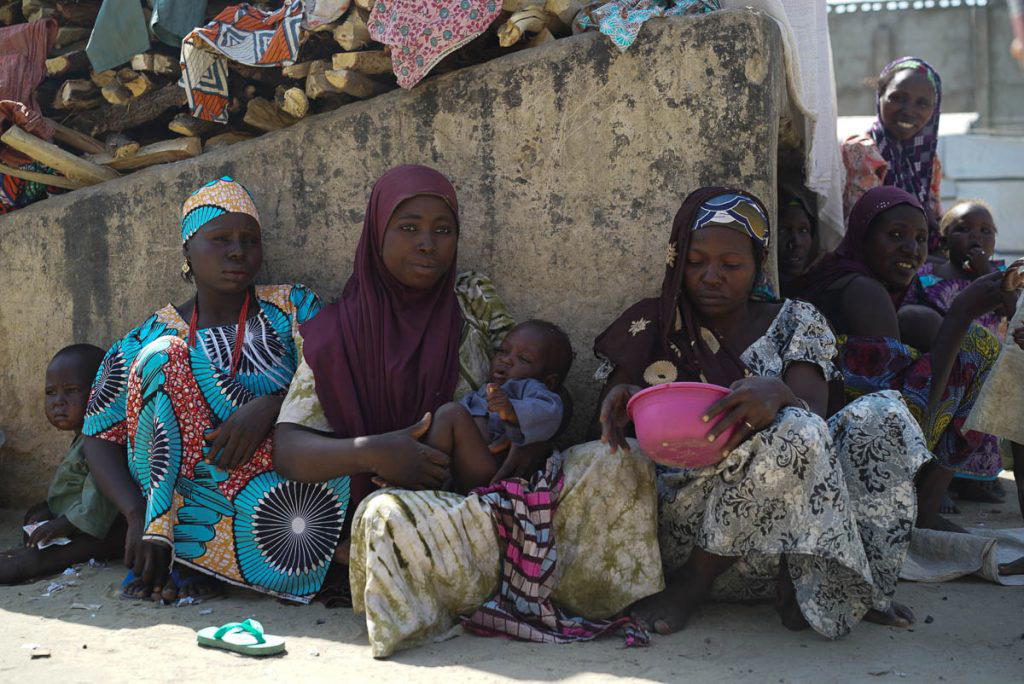
The commitment of the G7 to the Decent Work Agenda signals a pivotal moment in global labor discourse, with the International Labour Organization (ILO) advocating for quality employment and equitable labor standards. This initiative comes at a crucial juncture, as countries grapple with the dual challenges of economic recovery and rising unemployment exacerbated by the COVID-19 pandemic.
Recent discussions among G7 leaders highlighted the urgent need for policies that prioritize decent work, particularly in developing countries where job inequalities are pronounced. The ILO's Director-General, Gilbert Houngbo, emphasized, "We must ensure that the recovery leaves no one behind, creating pathways to decent work for all." This underscores a growing recognition that sustainable economic growth is intrinsically linked to fair labor practices.
Looking ahead, the G7's commitment could reshape labor policies worldwide, fostering a more inclusive economy that not only tackles unemployment but also addresses systemic inequalities. As nations implement these principles, the effectiveness of the Decent Work Agenda will hinge on collaborative efforts between governments, businesses, and labor organizations to create a resilient workforce ready for future challenges.