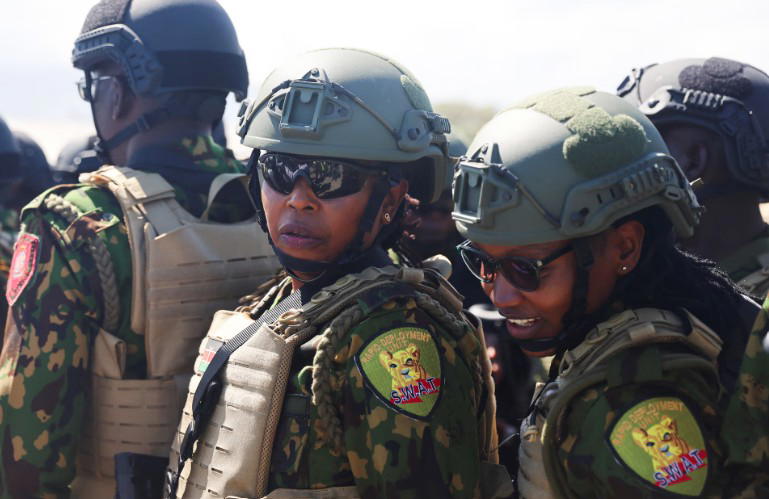
In a move that underscores ongoing tensions in Kenya, police have prohibited a planned march in Nairobi to commemorate an annual day of protest. The decision, announced just days before the event, has resulted in heavy security deployments around the city, disrupting traffic and raising concerns about citizens' rights to free expression.
This year's anniversary is particularly significant as it marks a pivotal moment in Kenya's history, reflecting widespread dissatisfaction with government policies and the handling of civil liberties. Activist groups have condemned the ban, with Josephine Mwangi, a prominent civil rights leader, stating, "This is an infringement on our democratic rights to assemble and voice our concerns."
As the government continues to grapple with issues of governance and public dissent, the decision to restrict the march may provoke further unrest. Looking ahead, the authorities will need to balance security concerns with the public's desire for open dialogue, or risk escalating tensions that could lead to broader societal implications. The situation remains fluid, and the response from civil society will be crucial in shaping future interactions between citizens and the state.