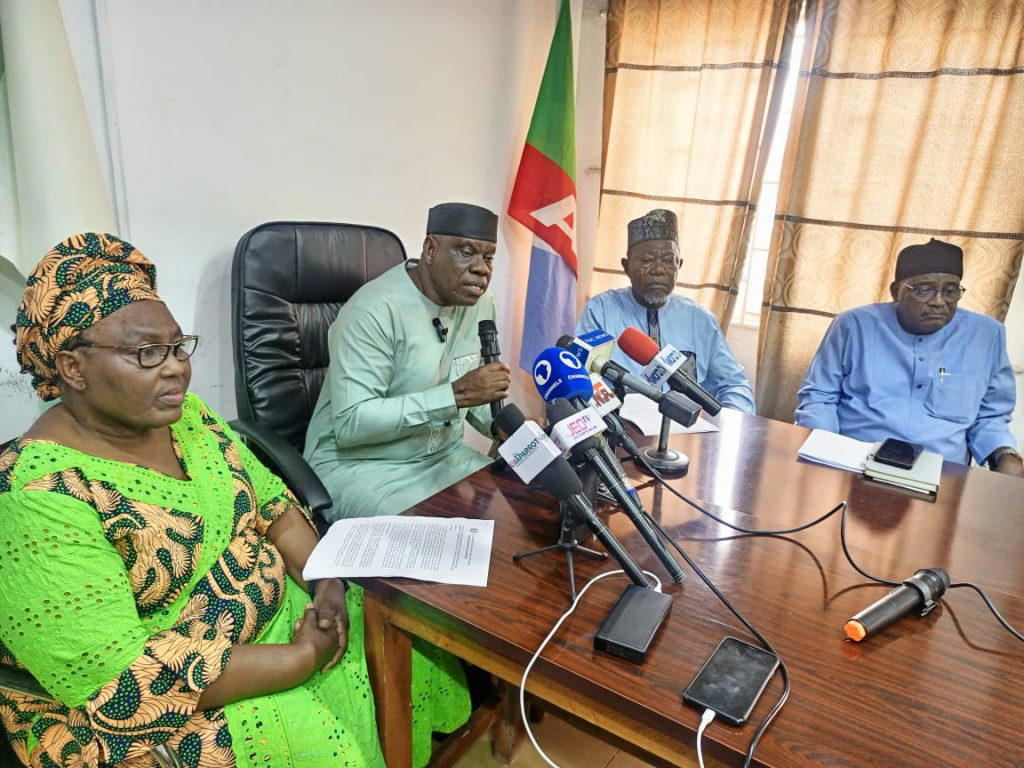
The emergence of a woman as the All Progressives Congress (APC) consensus candidate in Katsina has ignited fierce opposition from Islamic clerics, highlighting ongoing tensions surrounding gender roles in Nigerian politics. This unprecedented decision, which some view as a progressive step, has faced backlash from traditionalists who argue that leadership should remain within male-dominated structures.
Key developments include vocal dissent from clerics who assert that a woman leading the party undermines Islamic values. “This choice does not reflect our community's beliefs and traditions,” stated Sheikh Abdullahi Musa, a prominent Katsina cleric. The clerics' opposition reflects broader societal attitudes toward women's roles in governance, particularly in conservative regions like Katsina.
As Nigeria approaches the elections, the APC's decision could either signal a transformative shift in political representation or deepen divisions within the community. The debate surrounding this candidacy will likely influence public sentiment and voter turnout, making it essential for the party to navigate these challenges effectively. The outcome of this situation may not only shape the political landscape in Katsina but could also serve as a litmus test for women's leadership roles across Nigeria.