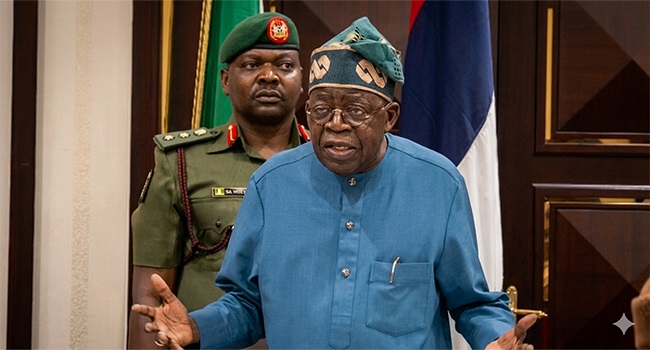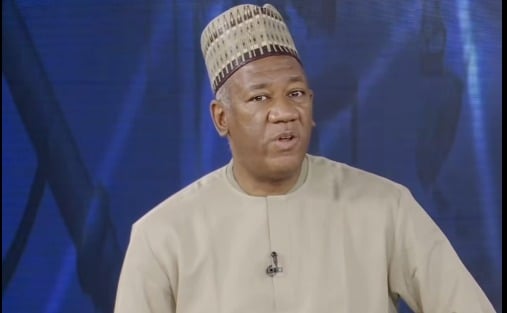
Baba-Ahmed's recent comments highlight a growing concern among some Muslim leaders regarding the perception of Islam under the governance of President Bola Ahmed Tinubu and Vice President Kashim Shettima. He asserts that the current administration's actions have led to reputational damage, suggesting that the leadership is failing to authentically represent the values of Islam. The discourse around religious affiliation in Nigerian politics has intensified, particularly as the nation navigates economic and security challenges.
Baba-Ahmed, a prominent political figure, stated, “We need genuine leadership that transcends mere religious identity, focusing instead on the common good.” This call for leadership that prioritizes national unity over sectarian interests reflects a broader desire among citizens for accountability and integrity in governance.
As Nigeria approaches critical elections, the implications of Baba-Ahmed's assertions could resonate with voters seeking change. The leadership must reconcile its religious identity with effective governance to restore faith in both the administration and Islam's role in society. The challenge lies in fostering a narrative that emphasizes inclusivity and progress, steering the discourse toward a more unified national vision.