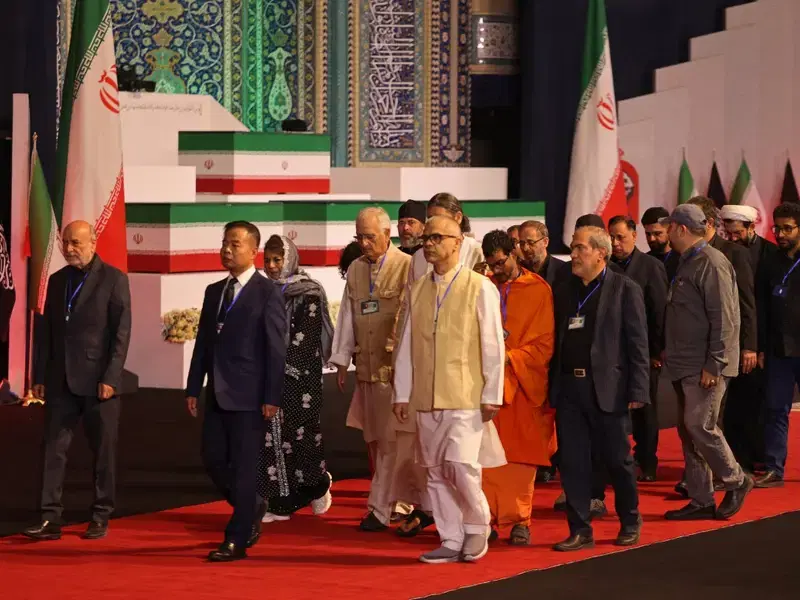
As Iran prepares to bid farewell to its Supreme Leader Ayatollah Ali Khamenei, the nation is gripped by a palpable sense of mourning and uncertainty. Khamenei's body was transported to Tehran's Grand Mosalla, where millions are expected to gather for the funeral ceremonies. This event marks a pivotal moment in Iran's political landscape, as Khamenei has been a dominant figure since 1989, shaping the country's ideology and foreign policy.
Iranian leaders, including President Ebrahim Raisi, have been paying their respects, underscoring the significance of Khamenei's legacy. Raisi stated, "His leadership was a guiding light for our nation, and we will honor his vision as we navigate this transition." The funeral not only commemorates Khamenei's life but also poses profound questions about Iran's future leadership and stability, especially amidst ongoing economic challenges and regional tensions.
As the nation mourns, the world watches closely. The leadership transition could redefine Iran's domestic and international stance, influencing its relationships with both allies and adversaries. The coming days will be critical in determining how the nation adapts to this significant change in its political hierarchy.

