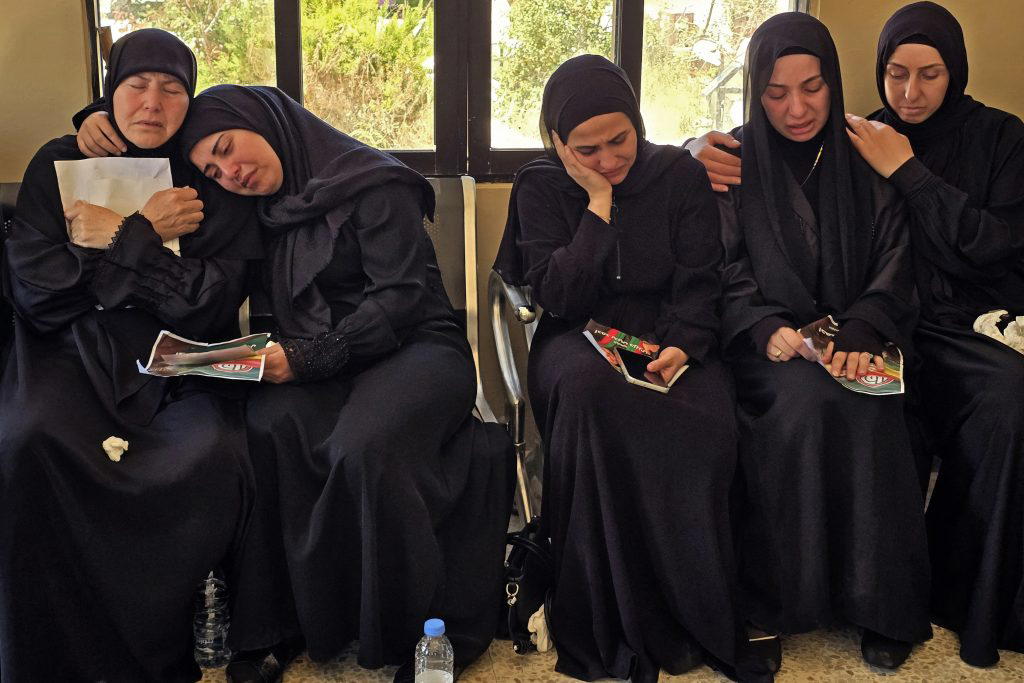
As tensions escalate between Israel and Hezbollah, the Lebanese militant group has reaffirmed its dependence on Iranian support. This assertion comes in the wake of Israeli airstrikes in southern Lebanon, which occurred despite a fragile ceasefire agreement. Hezbollah's leadership views Iran as a crucial ally in their ongoing struggle against Israeli incursions, underlining the broader geopolitical stakes in the region.
Hezbollah's deputy leader, Naim Qassem, stated, "Iran won’t abandon us. Our resistance is their resistance." This declaration not only emphasizes the military and financial backing Hezbollah receives from Tehran but also signals Iran's commitment to maintaining its influence in Lebanon and countering Israeli actions. The recent violence suggests a precarious balance, as both sides appear prepared for further conflict, despite international calls for restraint.
Looking ahead, the situation is likely to remain volatile. As Hezbollah continues to assert its ties with Iran, Israel may intensify its military operations, leading to an escalation that could draw in regional players. The delicate equilibrium in Lebanon and its implications for broader Middle Eastern stability remain a concern for policymakers globally.