Iran's condemnation of recent U.S. airstrikes, which allegedly targeted civilian infrastructure, marks a significant escalation in tensions between the two nations. The Iranian foreign ministry labeled these actions a "gross war crime," specifically mentioning the strikes on vital railway bridges that serve civilian populations. This incident adds to the ongoing narrative of escalating hostilities that have characterized U.S.-Iran relations since the re-imposition of sanctions and military posturing in the region.
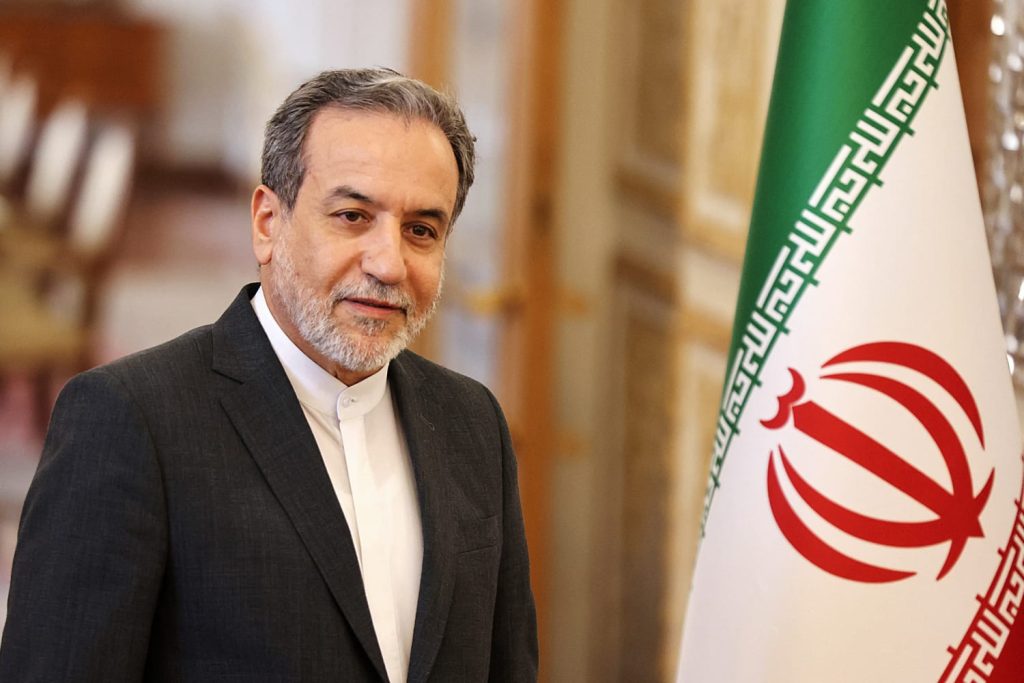
Iran's Foreign Minister Hossein Amir-Abdollahian emphasized, "These acts of aggression will not go unanswered and highlight the U.S. disregard for international law." This statement underscores Iran's determination to respond to perceived violations of its sovereignty, potentially leading to further military confrontations in an already volatile region.
As the international community watches closely, the potential for broader conflict looms, especially if Iran decides to retaliate or if U.S. operations continue. Diplomatic channels may be strained further, and stakeholders must navigate this precarious situation carefully to avoid a wider war that could have devastating consequences in the Middle East and beyond.