Iran's declaration that a recent deal to end the Middle East war signifies "America's defeat" underscores the shifting geopolitical landscape in the region. This statement comes as U.S. Secretary of State Antony Blinken embarks on a tour of Gulf nations, many of which have been deeply affected by Iran's influence and military activities. The deal, which marks a significant diplomatic breakthrough, reflects Iran's growing confidence and its ability to assert its interests despite U.S. efforts to contain it.
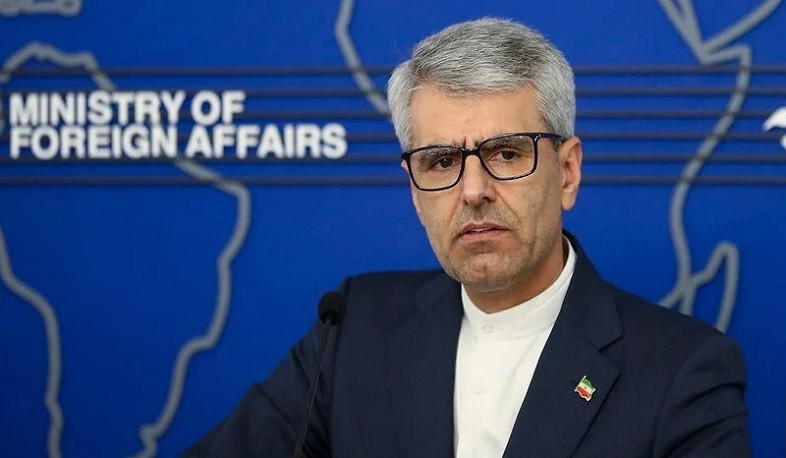
Iran’s Foreign Minister Hossein Amir-Abdollahian emphasized the importance of the agreement, stating, "This deal demonstrates that the United States can no longer dictate terms to the region." The comment highlights not just Iran's perspective but also a broader sentiment among regional powers that U.S. influence is waning, creating opportunities for new alliances and power dynamics.
As the U.S. reassesses its role in the Middle East, the implications of this deal may reverberate beyond the immediate conflict, potentially reshaping alliances and prompting a reconfiguration of power in a region long dominated by American interests. The coming months will be crucial in determining the stability of this new landscape.