As tensions escalate in the Gulf following Iran's blockade of the Strait of Hormuz, the impact on global oil markets has been profound. Prices surged dramatically, triggering concerns across financial sectors worldwide. This blockade, initiated early in the conflict, has underscored Iran's leverage over a crucial maritime artery that facilitates a significant portion of the world's oil supply.
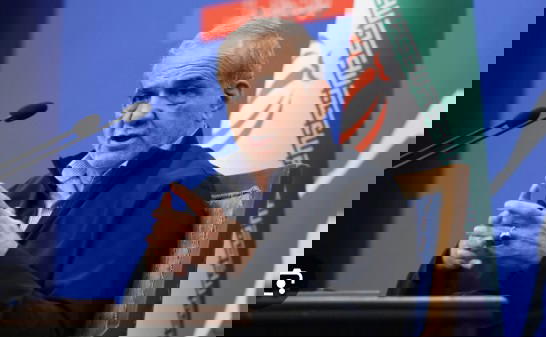
In response to a recent US peace proposal aimed at de-escalating the situation, Iranian officials have expressed skepticism. “We will not accept any terms that compromise our sovereignty or security,” stated Mohammad Javad Zarif, Iran’s Foreign Minister. This statement reflects Iran's determination to maintain its strategic positioning amid escalating military maneuvers, including recent drone strikes in the region.
Looking ahead, the prospect for diplomatic resolution appears tenuous, with both sides entrenched in their positions. The continued volatility in oil prices could further strain global economies, particularly those heavily reliant on oil imports. Stakeholders will be closely monitoring developments, as any shift in Iran's stance could have far-reaching implications for regional stability and international markets.