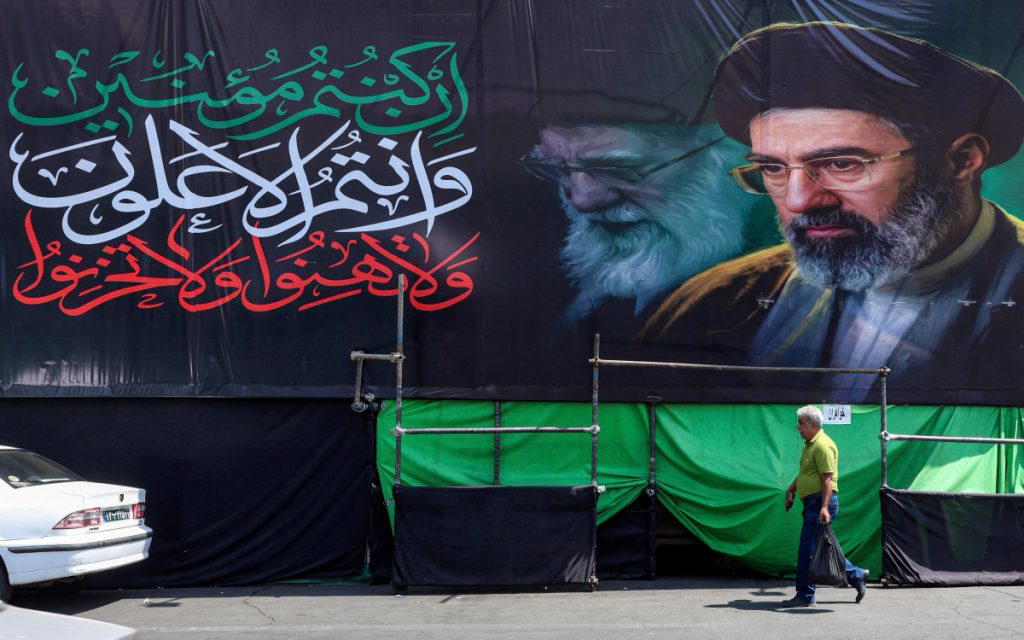
The death of Ayatollah Ali Khamenei, Iran's supreme leader, has sent shockwaves through the nation and the broader Shia Muslim community worldwide. Khamenei, who served for over three decades, was killed at the age of 86 during the conflict that erupted on February 28. His passing marks a significant turning point amid ongoing turmoil within Iran and the region.
Preparations for Khamenei's funeral are underway, with officials emphasizing the need for a dignified farewell to a leader regarded as a spiritual guide. "His leadership was crucial during these challenging times," stated Mohammad Javad Zarif, former Foreign Minister. The mourning period is expected to amplify existing tensions, as various factions within Iran vie for influence and control over the future direction of the Islamic Republic.
As the nation grapples with the loss, the implications of Khamenei’s death will reverberate through Iran’s political landscape. The immediate future is uncertain, with the potential for power struggles leading to heightened instability. Observers suggest that the leadership transition will be closely scrutinized, as Iran’s next steps could redefine its role both regionally and globally.