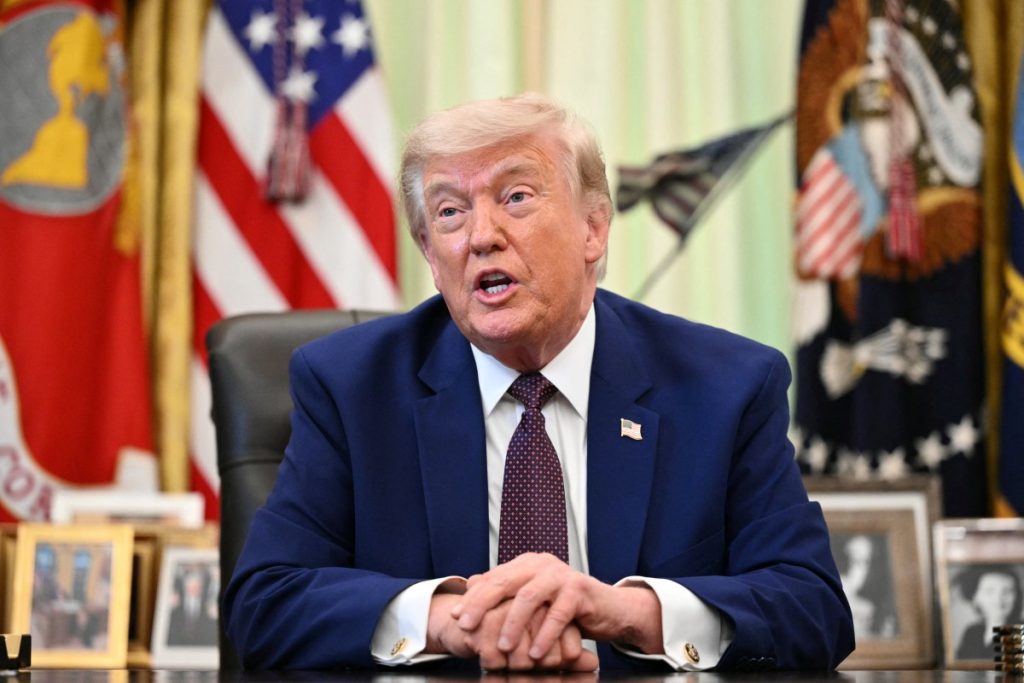
In a significant geopolitical development, former President Donald Trump announced that a peace deal with Iran is set to be signed on Sunday, which he claims will lead to the immediate reopening of the crucial Strait of Hormuz. This strait is vital for global oil transportation, and its closure has long been a source of tension in the region. The deal aims to mitigate longstanding hostilities and pave the way for more stable relations between Iran and Western nations.
Trump, leveraging his platform, stated, "The Deal is scheduled to get signed tomorrow, and immediately after it is signed, the Hormuz Strait is OPEN TO ALL." This assertion underscores the deal's potential to reshape not just regional dynamics but also global energy markets. Analysts suggest that the agreement, if realized, could reduce oil prices and enhance global trade routes.
As the world watches, the implications of this peace deal could extend beyond immediate economic benefits, prompting shifts in alliances and approaches to security in the Middle East. The successful execution of this agreement may signal a new era of diplomatic engagement, though skepticism remains about its long-term viability.