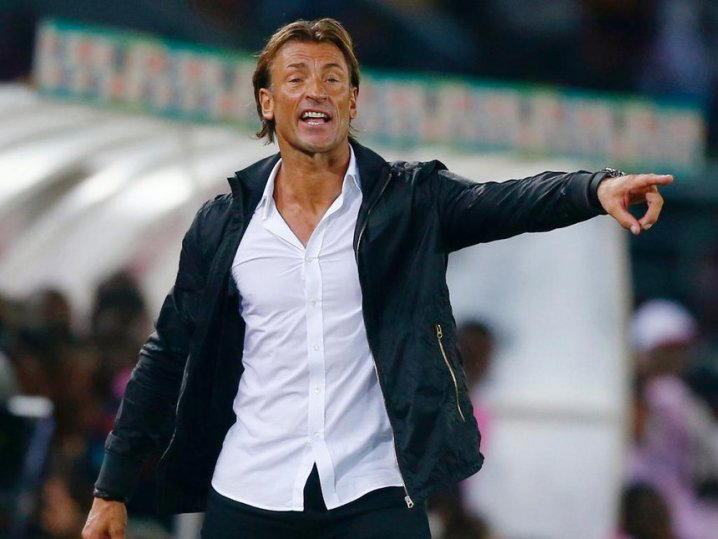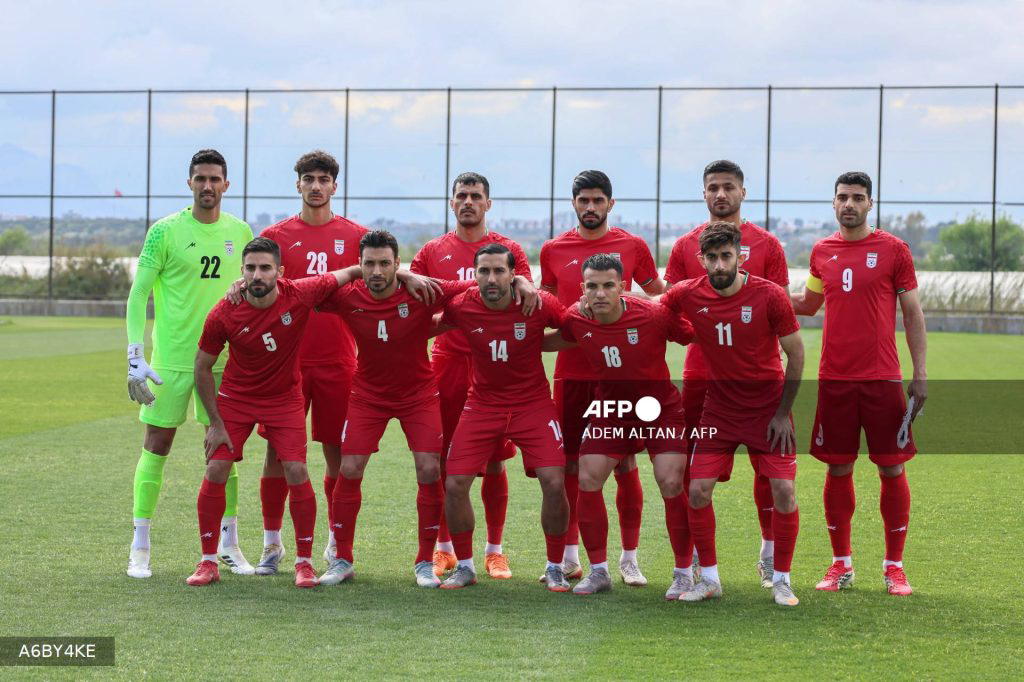
As the World Cup progresses, Iran's national team has emerged as a focal point of discussion, not just for their performance on the field but for the myriad challenges they face off it. Coach Amir Ghalenoei has labeled his squad as the "most oppressed team in the whole World Cup," highlighting the political and social pressures that have compounded their experience in the tournament. Amidst these challenges, he stated, "They are making the situation more and more difficult, facing us with more hurdles, but we're not going to let that stop us from doing our best."
Iran's players have been navigating a complicated landscape, where domestic unrest and international scrutiny intersect. The team's presence in the World Cup serves not only as a sporting endeavor but as a platform for broader expressions of resilience in the face of adversity. Despite the hurdles, the squad remains committed to showcasing their talent and unity.
Looking ahead, Iran's journey in this tournament could serve as a powerful symbol of hope and resistance, inspiring dialogue around the socio-political issues they represent. Their performance could resonate beyond the pitch, drawing global attention to their struggles and aspirations.