Tensions in the Middle East escalated dramatically as Iran announced the closure of the Strait of Hormuz following renewed Israeli airstrikes on Hezbollah positions in southern Lebanon. This decision comes amid a backdrop of fragile ceasefire negotiations mediated by the United States, which had hoped to stabilize the region after weeks of escalating violence.
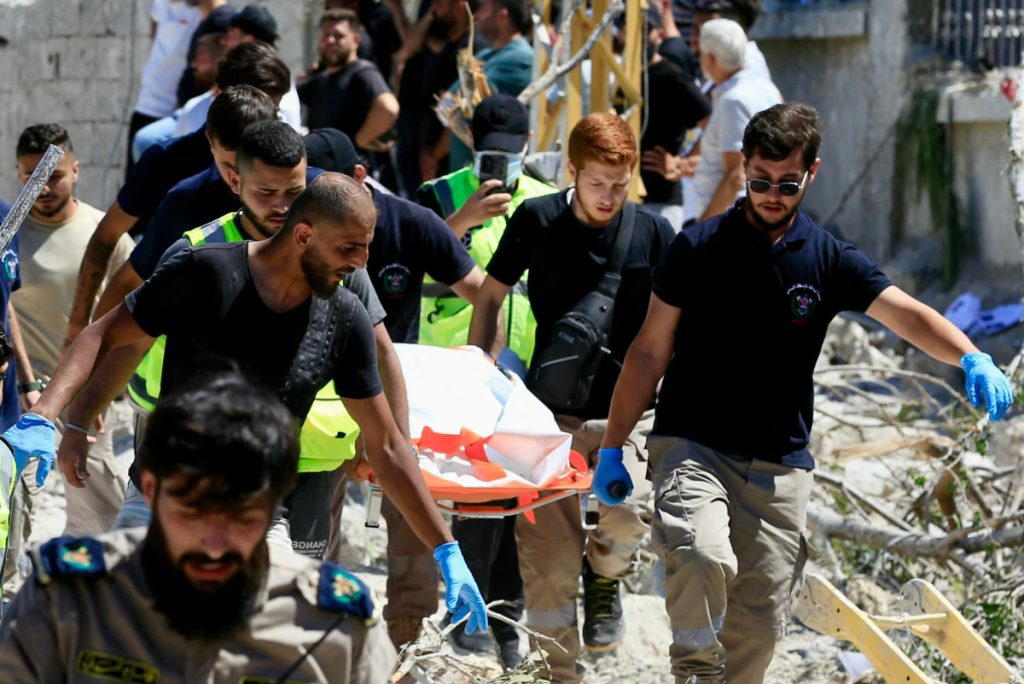
Israeli troops engaged in fierce combat with Hezbollah fighters while airstrikes targeted suspected militant infrastructure, raising fears of a broader conflict. Iranian Foreign Minister Hossein Amir-Abdollahian condemned the strikes, stating, “We will not allow any aggression against our allies in the region,” highlighting Iran's commitment to supporting Hezbollah and its broader influence in Lebanon.
The closure of the Strait, a critical chokepoint for global oil shipments, could have significant repercussions for international markets and security dynamics in the Gulf. As Iran asserts its military presence, the potential for conflict escalation remains high, prompting calls for renewed diplomatic efforts. The situation underscores the fragility of peace in the region and the need for sustained international engagement to prevent further violence.