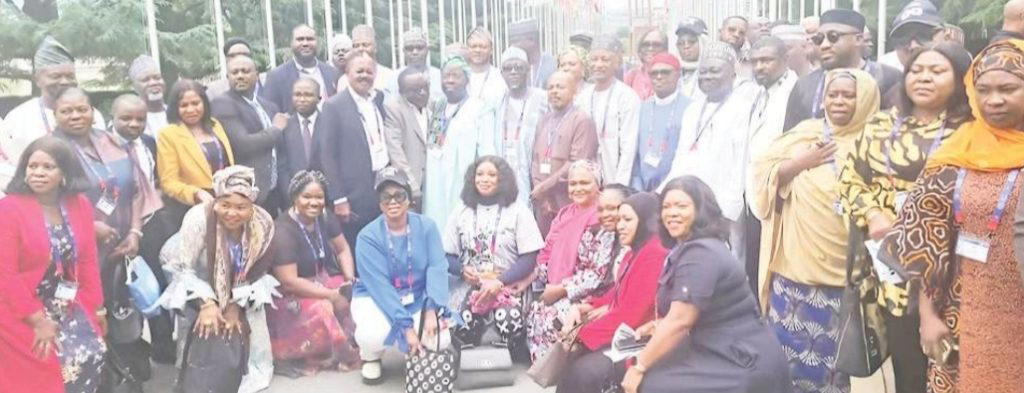
Nigeria's substantial delegation to the International Labour Conference (ILC) in Geneva highlights the country's commitment to engaging with global labor issues, yet it also raises questions about efficiency and representation. The delegation’s tripartite structure aims to encapsulate government, employer, and worker perspectives; however, critics argue that its size—often seen as bloated—may hinder effective dialogue.
With over 100 representatives, including ministers, trade union leaders, and business delegates, the Nigerian government seeks to showcase its labor policies while grappling with pressing issues such as unemployment and workplace safety. “Our presence in Geneva is a testament to our commitment to improving labor standards, but we must ensure that every voice is heard effectively,” remarked Dr. Folasade Adefisayo, Nigeria's Minister of Education.
As Nigeria navigates these complex dynamics, the challenge will be to transform this large representation into actionable outcomes that benefit its workforce. The ILC presents an opportunity for Nigeria to not only influence international labor standards but also to refine its domestic policies, ensuring that they align with global best practices.