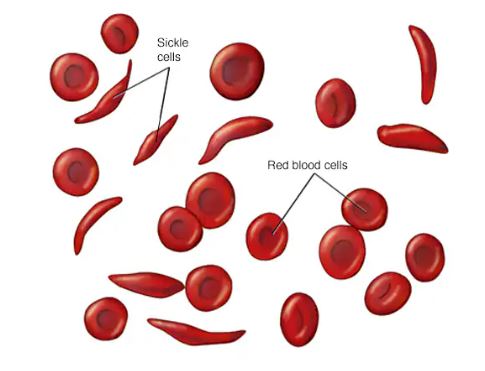
The alarming rise in sickle cell disorder cases in Nigeria underscores a critical public health challenge fueled by widespread ignorance and misinformation. Many parents, like Azeez, remain unaware of genotype compatibility, leading to an increase in births of children affected by this genetic condition. According to recent reports, the prevalence of sickle cell disorder in Nigeria is one of the highest in the world, with over 150,000 babies born each year with the illness.
Stakeholders emphasize the urgent need for educational campaigns to address this gap. Dr. Ifeoma Okoro, a genetic counselor, stated, “We must prioritize awareness programs to ensure couples understand the implications of their genotypes before starting a family.” This sentiment highlights the importance of proactive measures to combat the rising tide of sickle cell cases.
Looking ahead, the Nigerian government and health organizations must collaborate to implement comprehensive educational initiatives. By fostering a better understanding of genetic compatibility, there is potential to significantly reduce the incidence of sickle cell disorder, ultimately improving the health outcomes for future generations.