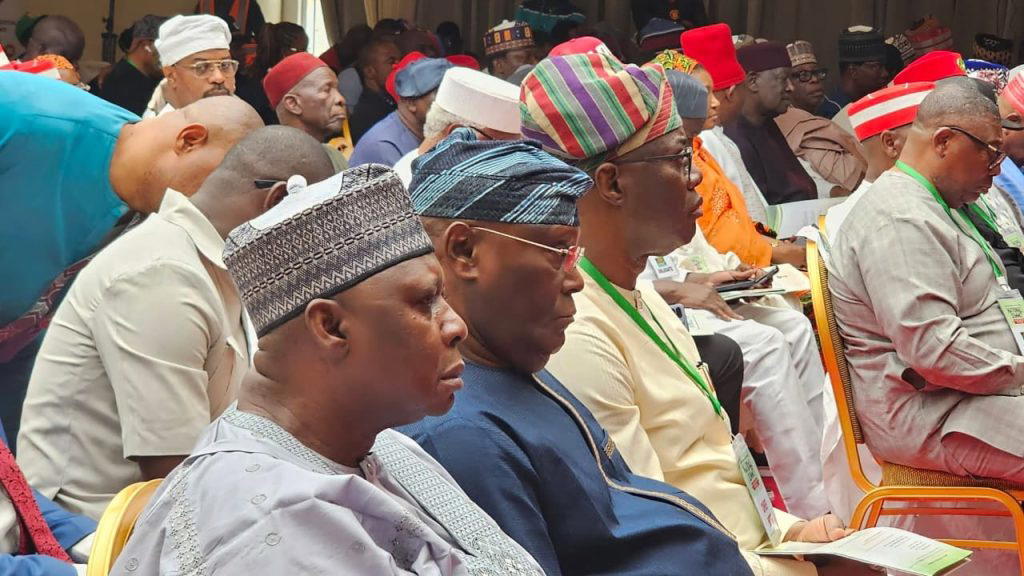
At the recent Ibadan Summit, Governor Seyi Makinde issued a stark warning against the dangers of one-party domination in Nigeria's political landscape, drawing parallels to the violent upheaval of 'Operation Wetie' in the 1960s. This historic conflict, which stemmed from political rivalry and ethnic tensions, serves as a cautionary tale for the current political climate, where the dominance of a single party could lead to instability and unrest.
Makinde emphasized the importance of political diversity, stating, "We must learn from our past mistakes and ensure that no single party controls our political destiny." His remarks reflect growing concerns about the implications of a consolidated political environment, which threatens democratic processes and citizen engagement.
As Nigeria approaches critical electoral periods, the call for a more pluralistic political sphere resonates with many who fear a regression into conflict. The governor's insights may encourage political stakeholders to foster dialogue and cooperation, reinforcing the need for a balanced political representation that honors the nation’s diverse voices. Looking ahead, the challenge will be ensuring these warnings translate into actionable policy changes to safeguard democracy.