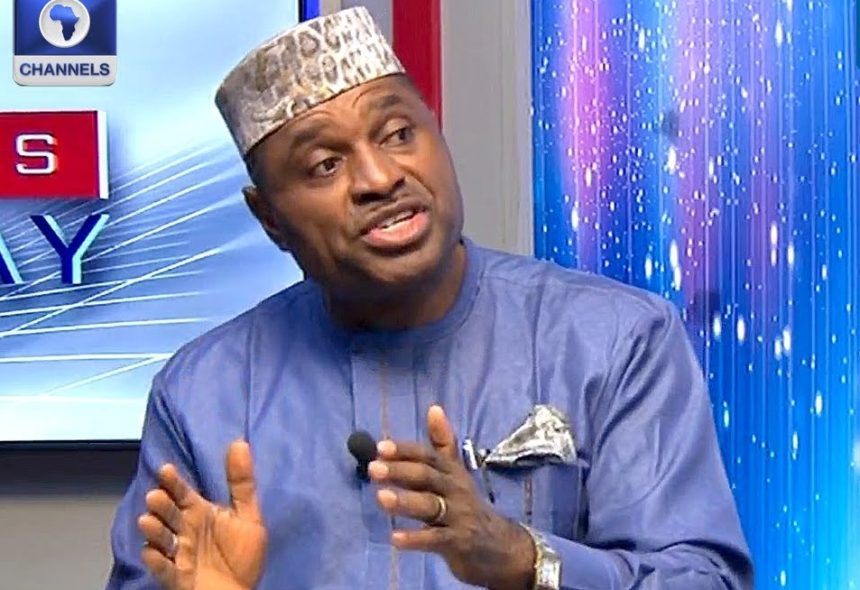
The political landscape in Nigeria experienced a fresh wave of controversy as Kenneth Okonkwo, spokesperson for the African Democratic Congress (ADC) presidential candidate Atiku Abubakar, refuted claims of his opposition to Rotimi Amaechi’s nomination as vice-presidential candidate. This statement comes amid heightened scrutiny of party dynamics, especially as the ADC positions itself against major competitors in the upcoming elections.
Okonkwo emphasized, "I never opposed Amaechi's nomination," aiming to quell speculations that internal dissent could undermine the party's unity. The ADC, seeking to galvanize support, faces challenges in consolidating its base while appealing to a broader electorate, particularly in light of Amaechi's previous ministerial tenure, which remains contentious among various factions.
As the elections draw near, the ADC must navigate these narratives carefully. The ability to showcase a united front could be crucial in attracting undecided voters. Okonkwo's clarifications suggest a strategic move to bolster party cohesion. With the stakes high, how the ADC manages its internal relationships will significantly impact its electoral prospects in a fiercely competitive environment.