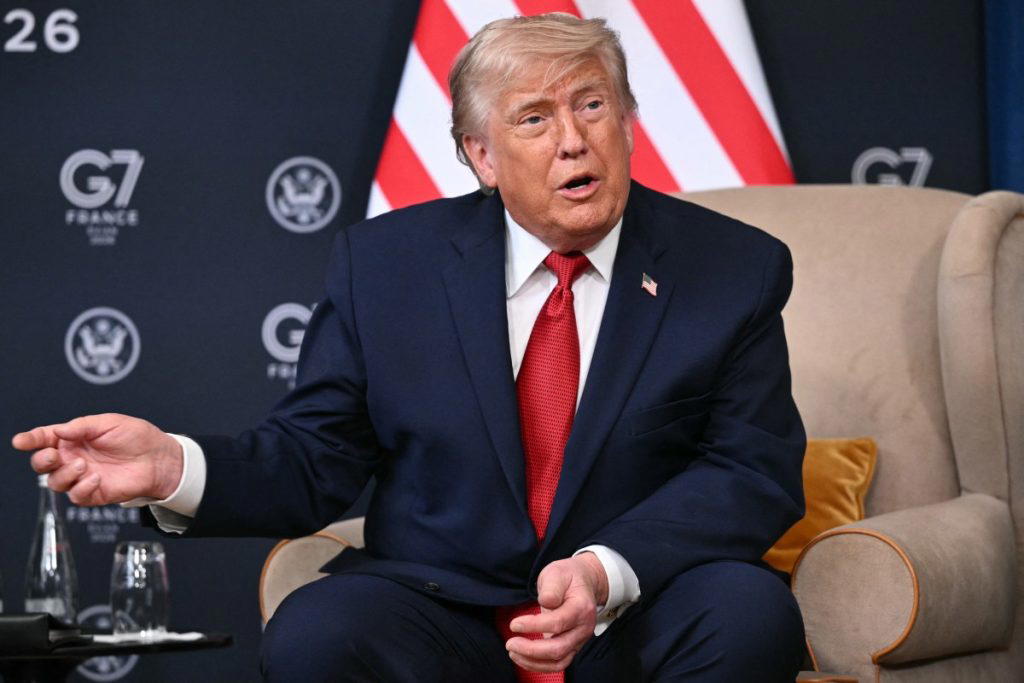
At the recent G7 summit, U.S. President Donald Trump's declaration, "I'm the boss," underscored his intent to assert U.S. leadership amid growing global challenges. This year's gathering, marked by tensions over trade, climate policies, and geopolitical rivalries, saw Trump pushing for a more aggressive stance on issues he believes threaten American interests.
Trump's approach reflects a departure from traditional diplomatic norms, as he seeks to position the United States as a unilateral force rather than a collaborative partner. Leaders from Canada and Europe expressed concerns about this shift. Canadian Prime Minister Justin Trudeau remarked, "We must balance assertiveness with collaboration to tackle global issues effectively." Such tensions highlight the friction between Trump's America First policy and the cooperative spirit typically associated with G7 meetings.
Looking ahead, Trump's dominance at the summit may reshape the dynamics of international relations, potentially alienating allies while emboldening adversaries. As the global landscape evolves, the implications of his leadership style will be closely monitored, particularly with implications for international trade and climate agreements that hinge on collective action.