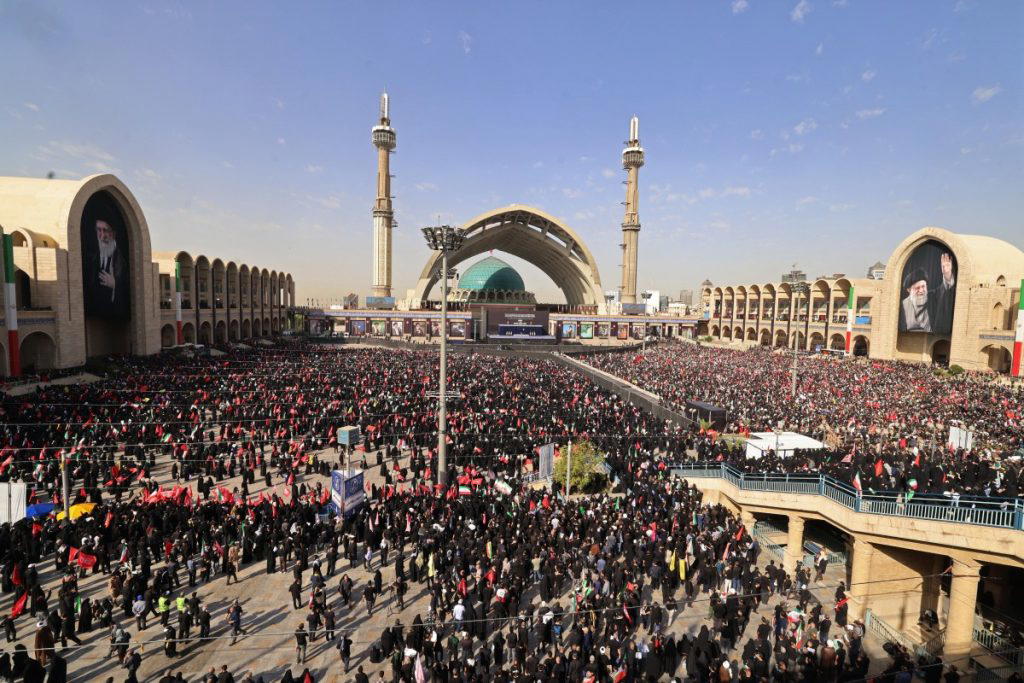
The passing of Supreme Leader Ali Khamenei has triggered an unprecedented outpouring of grief in Iran, with authorities expecting up to 20 million mourners in Tehran alone. Khamenei, who led the nation for over 35 years, was a pivotal figure in shaping Iran's political landscape, emphasizing resistance against Western influence and maintaining a strict Islamic governance framework. His death marks the end of an era and raises questions about the future trajectory of the Islamic Republic.
As the nation mourns, state media broadcasts tributes, and officials emphasize the need for unity. "This is a moment for all Iranians to come together and honor our leader," stated Mohammad Javad Zarif, former foreign minister. The potential for unrest looms, as Khamenei's passing could exacerbate existing political and social tensions, particularly among younger generations seeking reform.
Looking forward, Iran stands at a crossroads. The leadership transition process is fraught with uncertainty, potentially leading to power struggles or shifts in policy direction. Observers will closely watch how Khamenei’s successor navigates both domestic unrest and international relations, particularly with the West, in a rapidly changing geopolitical landscape.