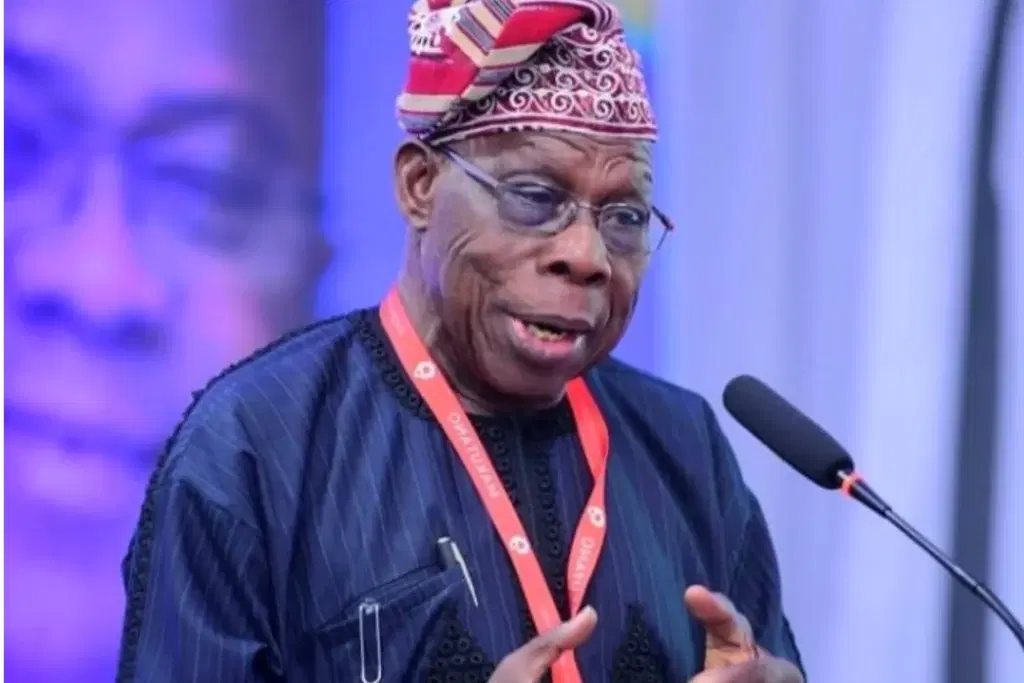
Former President Olusegun Obasanjo recently highlighted the importance of grassroots engagement in navigating the contentious landscape surrounding the Land Use Act. His personal intervention, marked by extensive consultations, played a crucial role in countering significant opposition from various stakeholders, including local communities and political factions.
Obasanjo emphasized the effectiveness of "village diplomacy," stating, "We must engage with the people directly to understand their concerns and work towards solutions that benefit all." This approach not only fostered trust but also ensured that the Act was perceived as equitable and inclusive, mitigating fears of land dispossession among rural populations. The Land Use Act, initially introduced to streamline land management, faced backlash due to perceived inequities and lack of local input.
As Nigeria continues to grapple with land issues amid population growth and urbanization, the success of Obasanjo's strategy underscores the necessity of inclusive governance. Moving forward, fostering dialogue and collaboration at the community level may prove vital in addressing land-related disputes and promoting sustainable development across the nation.