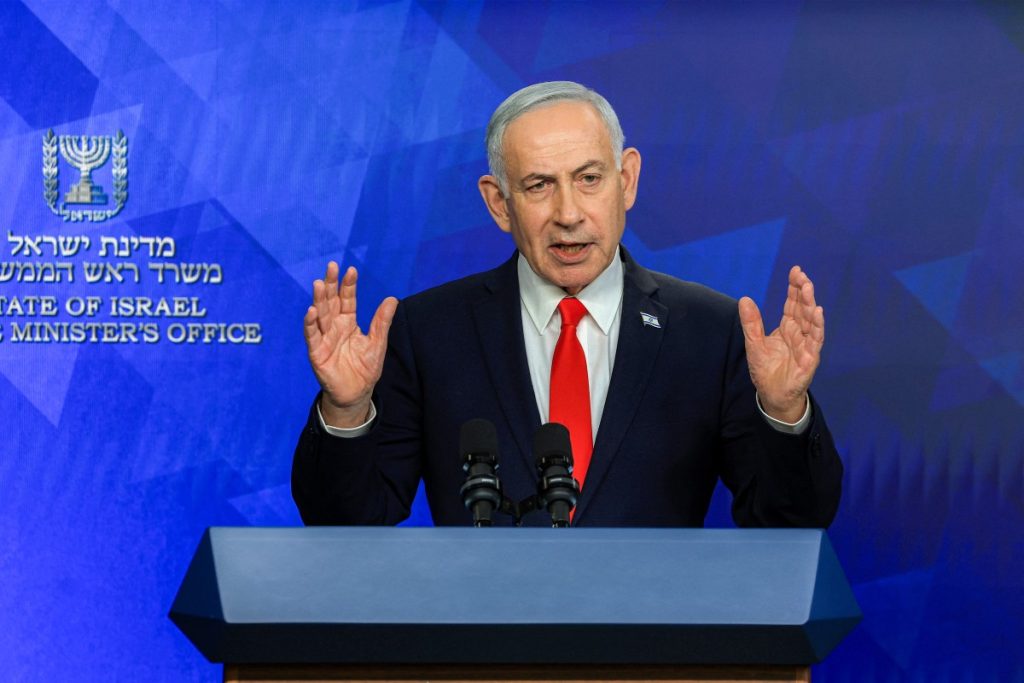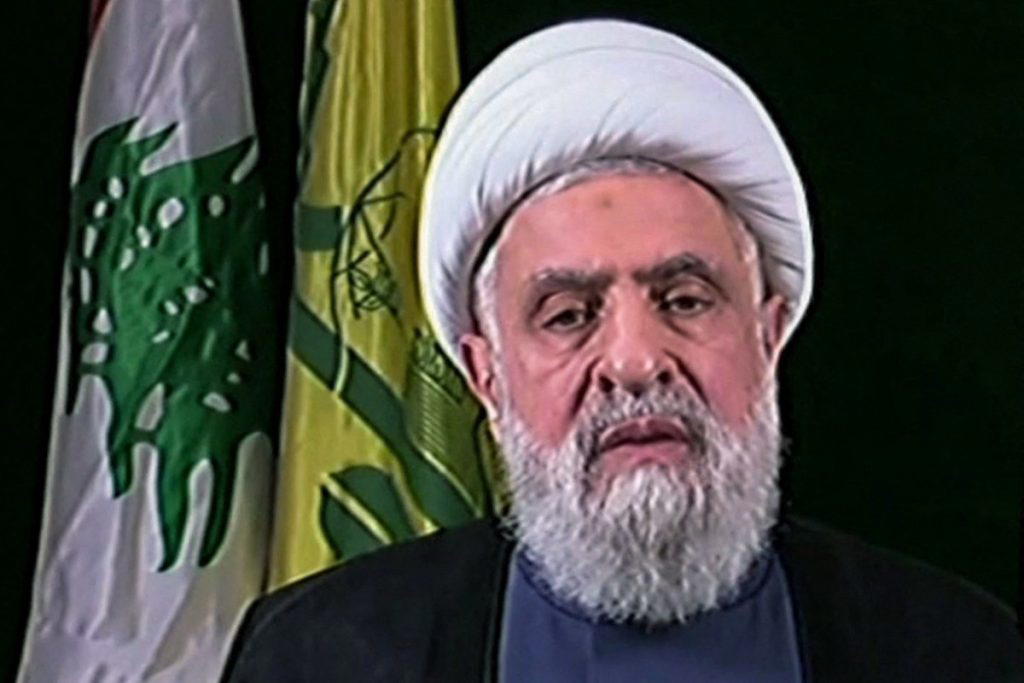
Tensions in the Middle East escalated as Hezbollah chief Naim Qassem firmly rejected any Israeli security zone in Lebanon, following Israeli Prime Minister Benjamin Netanyahu's assertion that Israeli troops would remain in southern Lebanon "for as long as necessary." This exchange underscores the persistent volatility in the region, where military posturing often leads to heightened fears of conflict.
Qassem's statement highlights Hezbollah's longstanding opposition to Israeli military presence, which it views as an infringement on Lebanese sovereignty. Historically, Israeli incursions have sparked violent confrontations, and the current rhetoric suggests that both sides are entrenched in their positions. Netanyahu's insistence on maintaining a military foothold in southern Lebanon is part of a broader strategy to counter perceived threats from Hezbollah, which has amassed significant military capabilities over the years.
Looking ahead, the rejection of an Israeli security zone by Hezbollah signals an ongoing stalemate that could lead to further clashes. As both parties remain steadfast in their stances, the potential for miscalculation looms large, raising concerns over the stability of Lebanon and the broader region. The international community must engage to de-escalate these tensions before they spiral out of control.