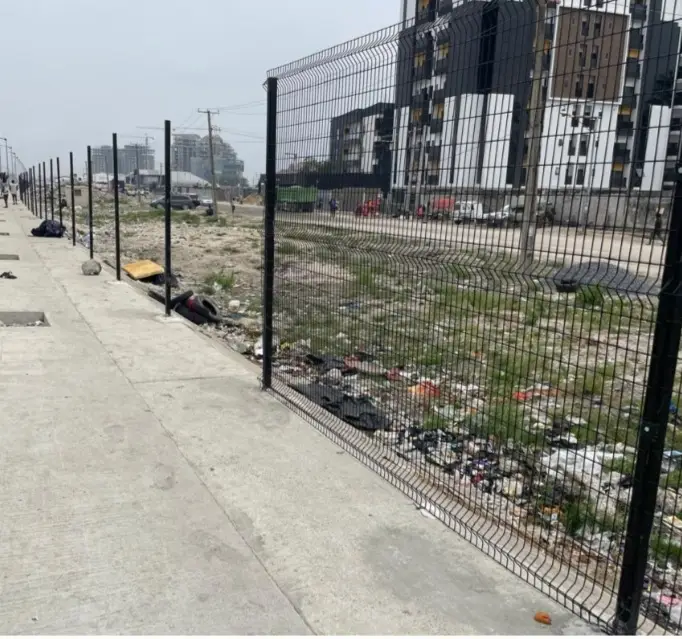
Heavy rainfall has wreaked havoc in Lagos, flooding numerous communities and disrupting airport operations, highlighting the city's vulnerability to extreme weather events. Areas such as Oshodi, Abesan Estate, and Mushin experienced significant waterlogging, leading to traffic chaos and impacting daily life for thousands of residents.
Local authorities have struggled to manage the aftermath, with reports of inadequate drainage systems exacerbating the flooding. “We are doing everything we can to restore normalcy, but the infrastructure needs urgent attention,” stated Babatunde Fashola, Lagos State Commissioner for Works and Infrastructure. His comments underscore the pressing need for improved urban planning and disaster preparedness in a city that continues to grapple with rapid population growth and climate change challenges.
As Lagos faces more frequent and intense rainfall due to shifting climate patterns, the urgency for sustainable infrastructure development becomes increasingly clear. Stakeholders must prioritize investment in drainage systems and emergency response plans to safeguard communities against future flooding. Without proactive measures, the city's resilience will remain at risk, leaving residents vulnerable to the next deluge.