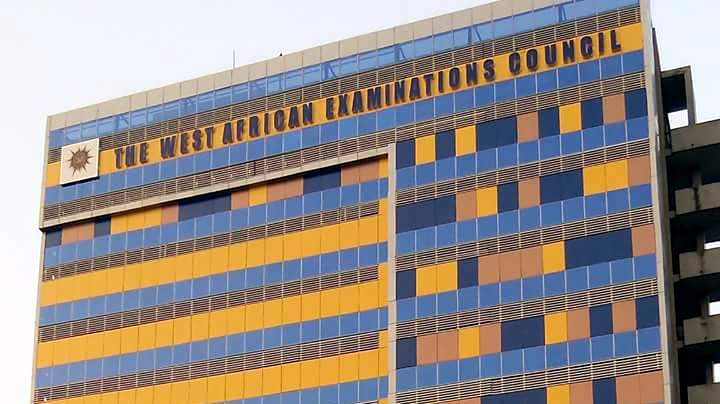
The recent approval by the Federal Government to increase registration fees for WAEC and NECO has ignited widespread discontent among advocacy groups. The Campaign for Equal Rights and Opportunities for All Nigerians (CERON) has emerged as a vocal opponent, arguing that the hike will disproportionately affect low-income families and hinder equitable access to education.
CERON's spokesperson, Dr. Amaka Nwankwo, stated, "The government's decision is a regressive step that denies many children their right to education. It is crucial that we prioritize accessible education for all, rather than placing financial barriers." The increase, which reflects rising operational costs, has been justified by the government, yet critics argue that such measures exacerbate existing inequalities within the education system.
As Nigeria navigates complex socio-economic challenges, the decision's implications extend beyond immediate financial burdens. It raises critical questions about the government's commitment to educational equity and the long-term impact on youth opportunities. Moving forward, stakeholders will likely intensify calls for policy reform that prioritizes affordable education, suggesting a potential clash between financial realities and social justice priorities in the upcoming electoral landscape.