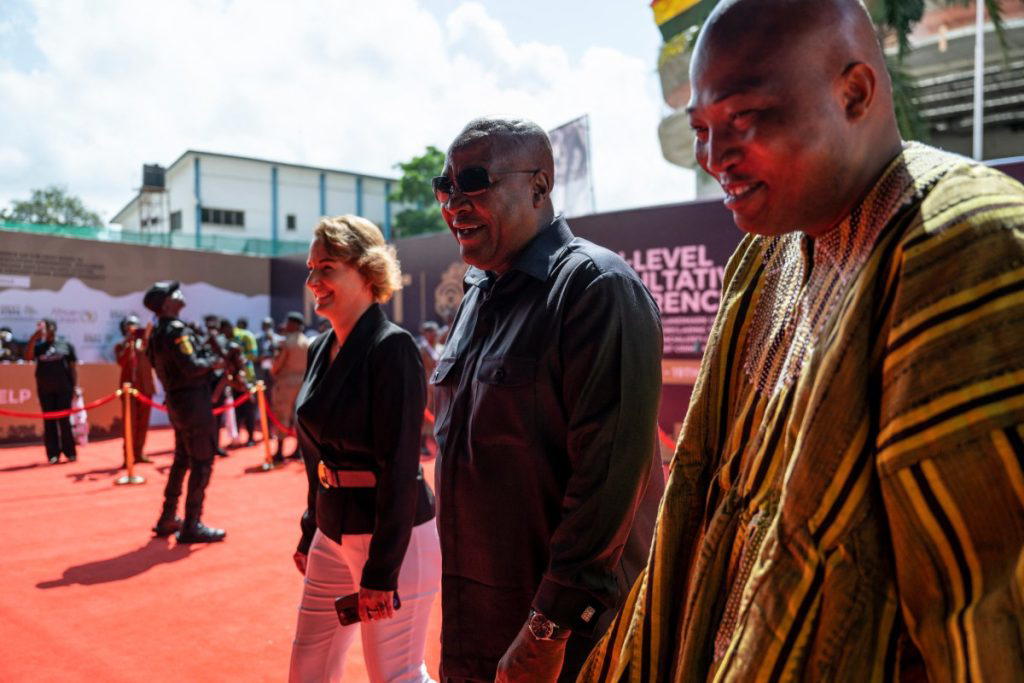
Ghana's recent global conference on slavery reparations marks a decisive moment in the ongoing quest for justice and acknowledgment of historical injustices. Following a landmark UN resolution advocating for reparations, this gathering aims to convert political goodwill into actionable commitments from nations and organizations worldwide. Ghana's leadership seeks not only to address the legacy of slavery but also to stimulate economic development through reparative measures.
As discussions unfold, Ghana's Minister of Foreign Affairs, Shirley Ayorkor Botchwey, emphasized the importance of collective action: "We cannot erase the past, but we can ensure that the future is built on equity and justice." This sentiment resonates with the calls from various African leaders and activists who argue that reparations are essential for healing and progress.
Looking ahead, the success of this initiative will depend on the willingness of global powers to engage seriously with the reparations discourse. The outcome could redefine international relations and pave the way for a more equitable global framework, addressing historical grievances while fostering economic partnerships. Ghana's push for concrete reparations is not just a national agenda; it is a clarion call for justice that resonates across the African continent.