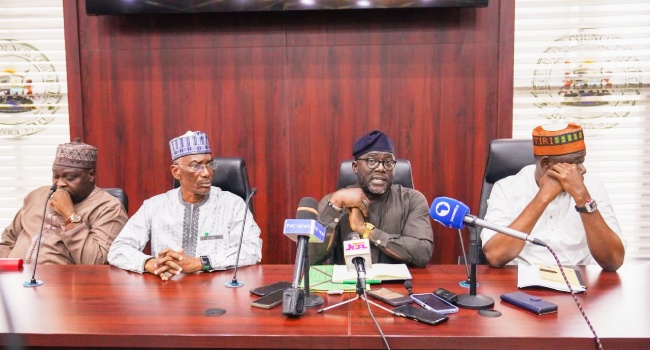
Ghana's decision to withdraw from negotiations for a multi-year aid agreement with the United States underscores rising tensions over privacy and sovereignty. The talks, aimed at bolstering economic support, collapsed after Washington insisted on access to personal data of Ghanaian citizens, a demand that the government deemed unacceptable.
This move marks a significant turn in U.S.-Ghana relations, especially as both nations have historically cooperated on development initiatives. A source within the Ghanaian government revealed, "We value our partnership with the U.S., but we will not compromise the privacy of our citizens." The implications of this withdrawal could extend beyond bilateral relations, affecting future aid negotiations with other international partners who may take note of Ghana’s stance.
As global discussions increasingly prioritize data privacy, Ghana's bold refusal may resonate with other nations facing similar pressures. The outcome raises questions about how countries can manage international aid while safeguarding their citizens' rights. Moving forward, Ghana may seek alternative partnerships, reinforcing its commitment to national privacy standards while navigating the complex landscape of global aid.