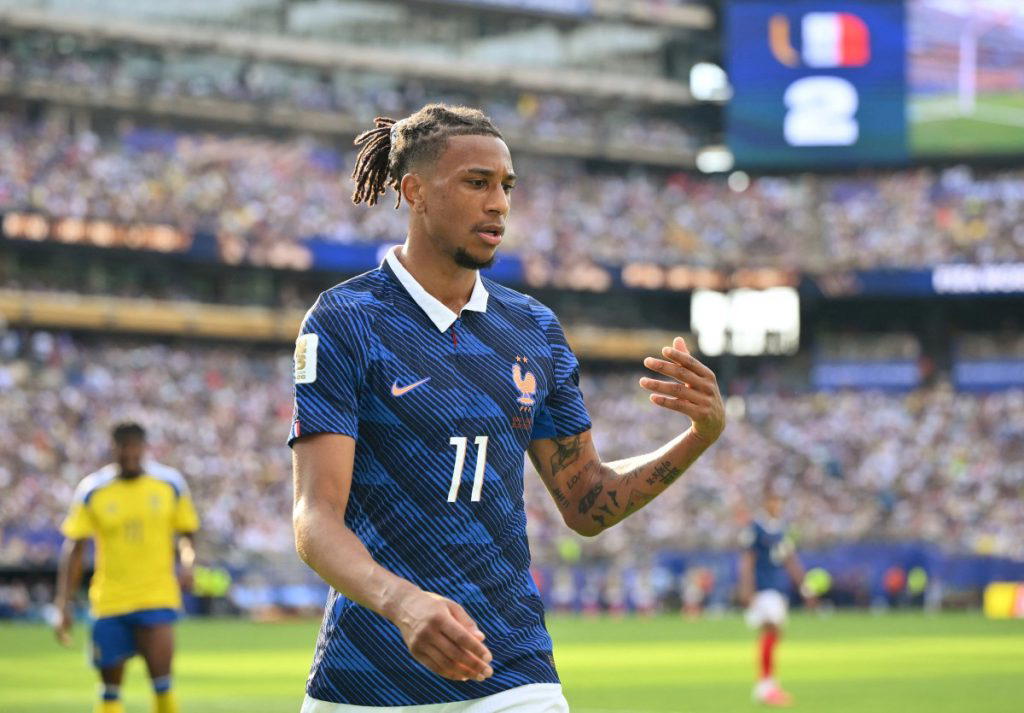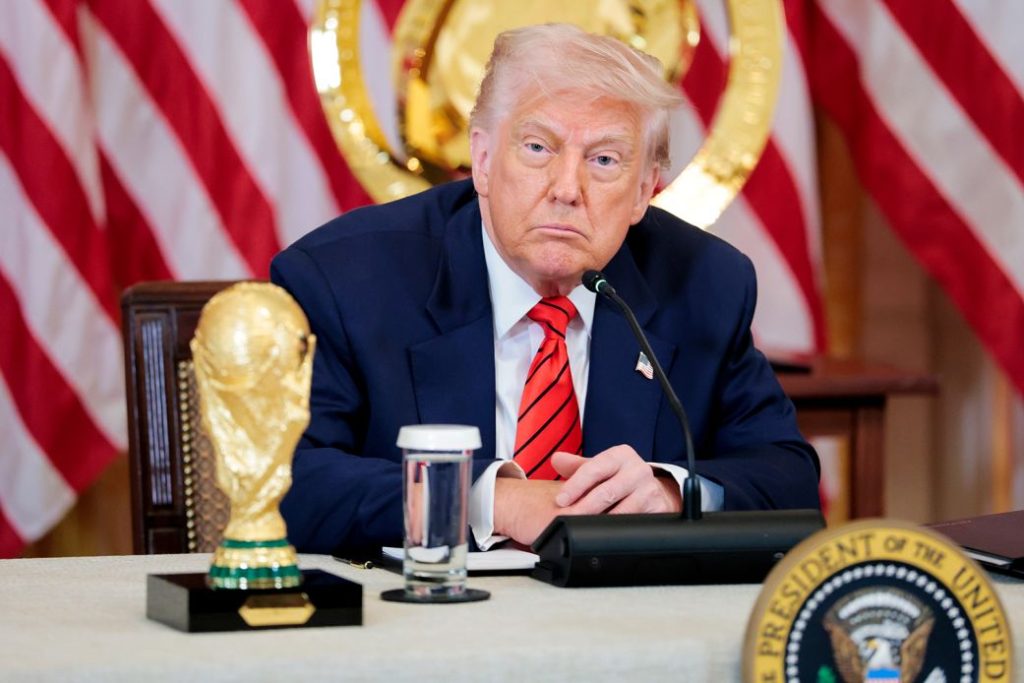
Political interference in sports is not a new phenomenon, and the recent intervention by U.S. President Donald Trump regarding the World Cup highlights this ongoing trend. Trump's phone call to FIFA chief Gianni Infantino to review a controversial red card issued to co-hosts' star striker Folarin Balogun underscores the intertwining of politics and sport, a pattern seen throughout history.
This incident echoes past moments, from Mussolini's use of the 1934 World Cup to bolster Italian nationalism to the influence of leaders like George W. Bush during the 2002 tournament. Renowned sports journalist Sarah Williams noted, “The World Cup has always been a stage for political maneuvering, reflecting the power dynamics of the time.”
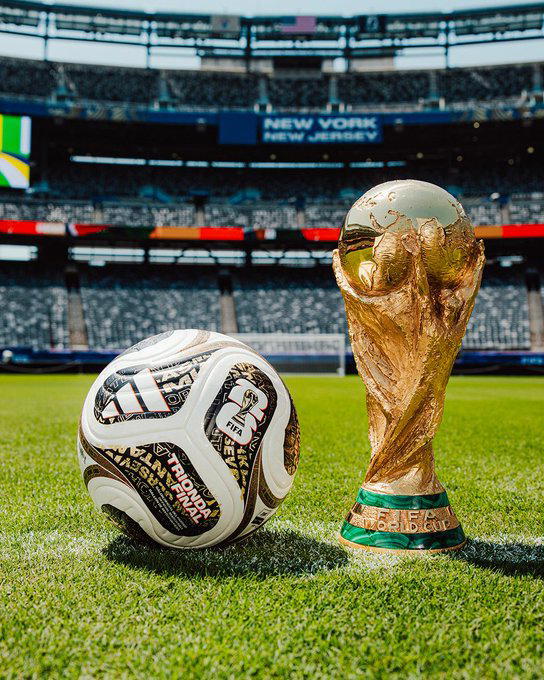
As nations vie for global prestige, the intersection of politics and football remains complex. With the 2026 World Cup co-hosted by the U.S., Canada, and Mexico, the potential for further political interference looms large. Stakeholders must be vigilant to preserve the integrity of the game, ensuring that football remains a unifying force rather than a pawn in political games.