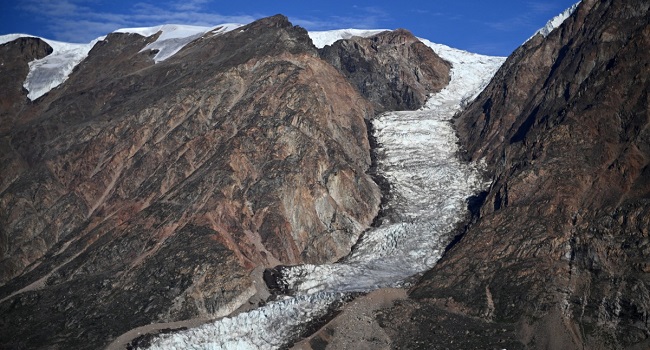
A recent study highlights a staggering increase in iceberg calving from Greenland's glaciers, with four times as many icebergs breaking off than previously recorded. This alarming trend underscores the accelerating impacts of climate change, revealing not just local consequences but also broader implications for the Arctic ecosystem and global sea levels.
Shfaqat Abbas Khan, a co-author of the study, emphasized, "When the Greenland ice melts, sea levels rise. But we can also see that the changes affect the entire Arctic." The implications of this research are profound; rising sea levels threaten coastal communities globally, while alterations to the Arctic environment disrupt wildlife and indigenous ways of life. Historically, ice loss in Greenland has been linked to increased global temperatures, and this latest data serves as a critical warning signal.
As the world grapples with climate change, understanding the dynamics of Greenland's glaciers becomes essential. The urgency to implement effective climate policies is paramount, as the effects of rising sea levels and altered ecosystems will resonate for generations to come. The future of the Arctic and global climate stability hangs in the balance.