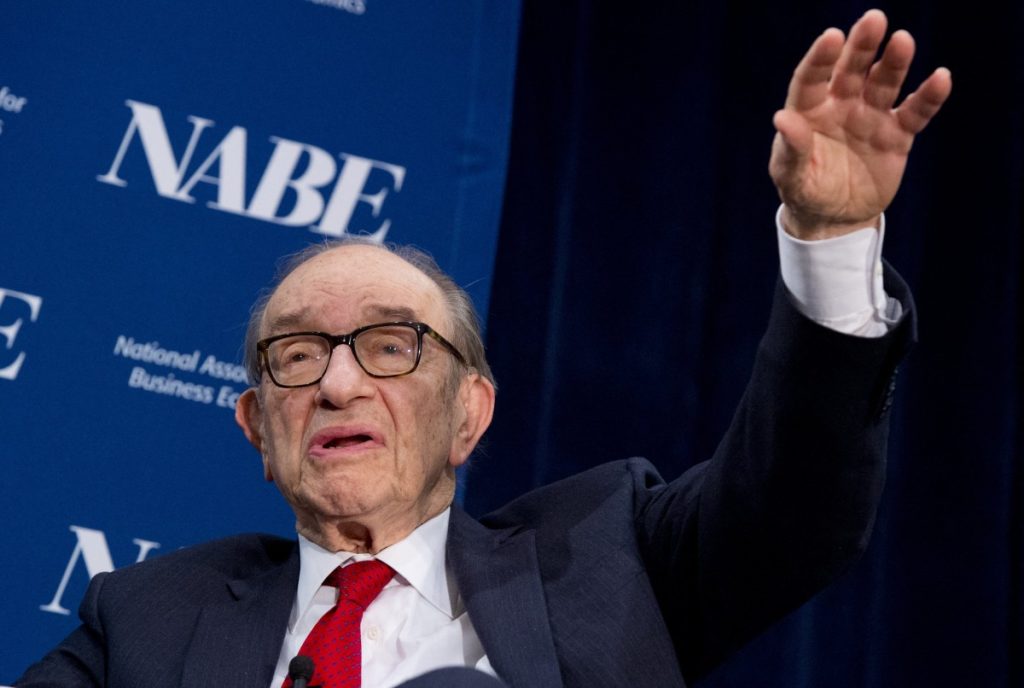
Alan Greenspan, the former chair of the US Federal Reserve, passed away at the age of 100, marking the end of an era for American economic policy. Serving from 1987 to 2006 under four presidents, Greenspan was revered for his role in shaping the modern financial landscape, credited with fostering a period of unprecedented economic growth and stability.
Greenspan's tenure was not without controversy, particularly regarding his handling of the 2008 financial crisis, where critics argue his policies contributed to the economic bubble. Nevertheless, he remained a respected figure in financial circles. As Janet Yellen, the current Fed chair, stated, "Greenspan's influence on monetary policy was profound, and his legacy will continue to shape our economic decisions for years to come."
His passing raises questions about the future direction of US monetary policy as the nation grapples with inflation and economic recovery. Greenspan's blend of market intuition and economic theory will be a benchmark for future leaders, and his insights will remain relevant as policymakers navigate the complexities of a rapidly changing global economy. The financial world watches closely to see how his legacy will influence the next generation of economic thought.