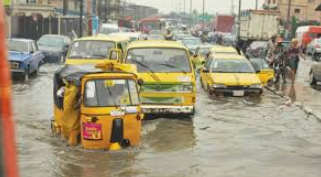
Recent torrential rains have wreaked havoc in Lagos, displacing thousands of residents and disrupting businesses and traffic. The aftermath has prompted urgent calls for government intervention, as the African Democratic Congress (ADC) criticizes the administration for inadequate infrastructure planning. "We cannot continue to tolerate the consequences of negligence," stated ADC spokesperson Omowunmi Ogunbiyi, highlighting the need for immediate action to address the city's chronic flooding issues.
Officials attribute the flooding to a combination of encroached drainage systems and rampant waste disposal practices, which exacerbate the problem. Lagos State Commissioner for the Environment, Tunji Wahab, emphasized that the government is committed to building flood-resilient infrastructure to mitigate future disasters. However, skepticism remains among residents who have endured repeated flooding, questioning the efficacy of these promises.
As the city grapples with this crisis, the need for sustainable urban planning and community engagement becomes increasingly evident. Without significant changes in both policy and public behavior, Lagos may find itself facing similar disasters in the future, underscoring the critical intersection of environmental management and governance.