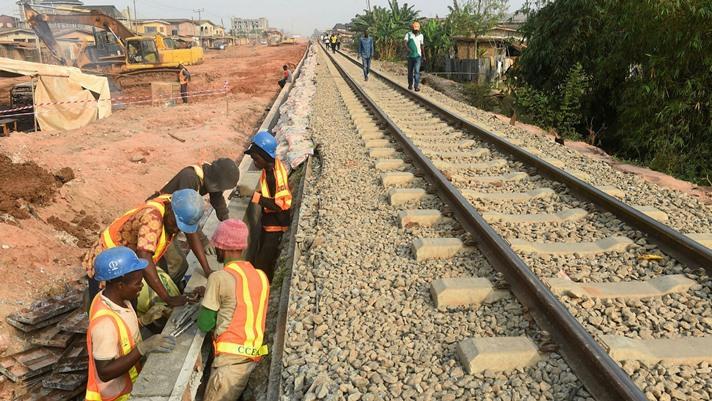
Nigeria's pursuit of an additional $1.25 billion loan from the World Bank underscores a troubling trend in the country's fiscal management amid escalating debt pressures. With national debt approaching unprecedented levels, critics fear that this reliance on external funding could jeopardize Nigeria's financial sovereignty and stability.
The World Bank funding is seen as essential for ongoing infrastructure projects and social programs, yet it raises questions about Nigeria's long-term economic viability. Economists warn that continued borrowing could lead to a debt crisis, hampering growth prospects. "Our ability to finance critical projects is being severely limited by our debt obligations," stated Dr. Amina Bello, an economic adviser. "We must strike a balance between immediate financial needs and sustainable growth."
As Nigeria navigates these turbulent waters, the government faces mounting pressure to implement comprehensive reforms aimed at enhancing domestic revenue generation. The effectiveness of these measures will be crucial in determining whether the country can reduce its dependence on external loans while fostering a more resilient economic future. The road ahead remains fraught with challenges, demanding prudent financial stewardship and strategic planning.