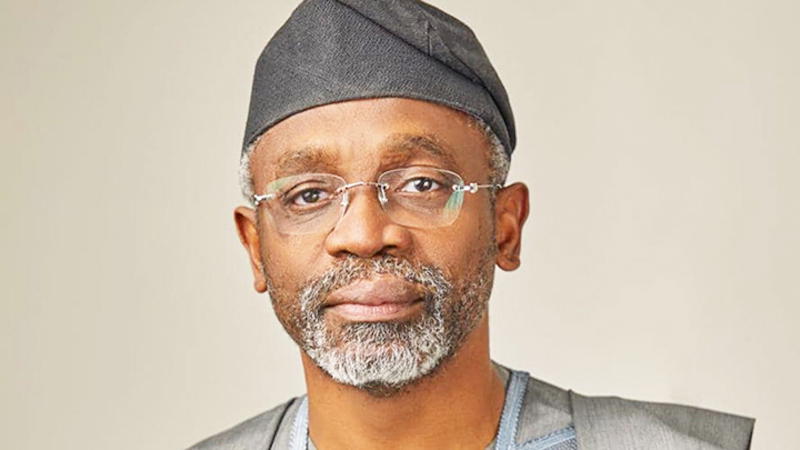
The ongoing fake agency scandal has ignited a political firestorm in Nigeria, prompting the People’s Democratic Party (PDP) faction to demand the resignation of House Speaker Femi Gbajabiamila and an independent investigation. This controversy has raised serious questions about governance and accountability, as allegations surfaced that a purported government agency was involved in fraudulent activities, tarnishing the nation's image.
Key developments include the faction's public outcry, dubbing the scandal a significant embarrassment for the country. The PDP faction's spokesperson, Dr. Amina Adeyemi, emphasized, "This scandal not only undermines public trust but also highlights the urgent need for transparency in our institutions." The call for an independent probe signals a growing concern over the integrity of government operations and the potential implications for future policymaking.
As the political landscape shifts, this scandal may reshape power dynamics within Nigeria's legislative framework. The mounting pressure for accountability could lead to significant reforms, reflecting a populace increasingly unwilling to tolerate corruption. The unfolding events will likely influence the upcoming elections, as citizens demand leaders who prioritize ethical governance.