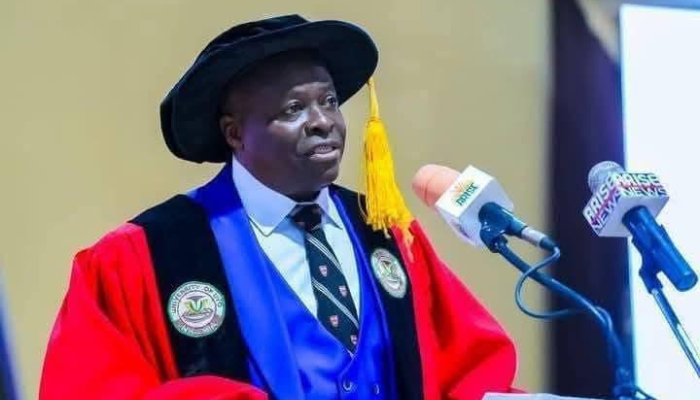
In a world increasingly shaped by artificial intelligence and digital transformation, the educational sector faces urgent calls for reform. Professor Clement Dzidonu, President of the Accra Institute of Technology, emphasized the necessity for universities to cultivate deep thinkers rather than rote learners. As technology evolves at an unprecedented pace, the disconnect between traditional educational paradigms and current industry needs becomes glaringly evident.
Dzidonu stated, "We must equip our graduates with critical thinking and problem-solving skills to thrive in this new era." His remarks resonate amid growing concerns that many educational institutions are not adapting quickly enough to the demands of the AI landscape. The implications are far-reaching, affecting job readiness and innovation potential across various sectors.
As nations strive to remain competitive in a global economy increasingly reliant on technology, the responsibility lies with educational leaders to prioritize curricula that foster analytical skills and creativity. If universities can rise to this challenge, they will not only prepare students for the future job market but also drive the technological advancements essential for societal progress. The urgency for change in higher education has never been more pronounced.