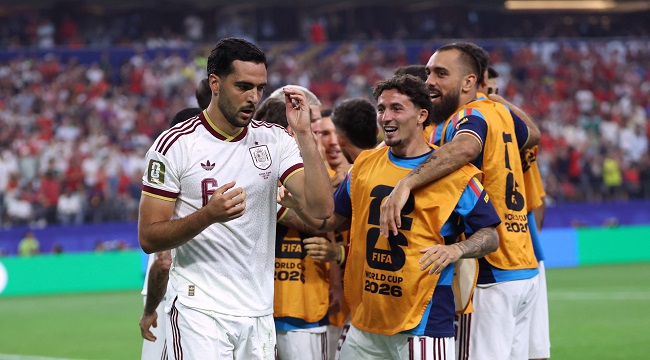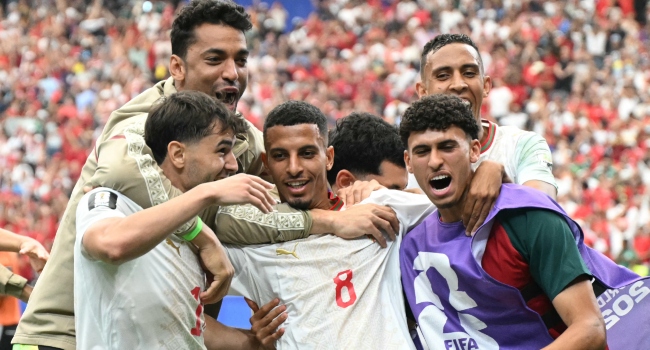
The expanded World Cup, now featuring 48 teams, was expected to level the playing field, yet the quarter-final lineup reveals Europe's enduring dominance. As the tournament progresses, teams from Europe once again outshine their competitors, with four of the eight quarter-final spots claimed by traditional powerhouses. This outcome raises concerns about the effectiveness of the expansion in promoting global competition.
Despite the increased representation, the trend indicates that many underdog nations still struggle to compete at the highest level. FIFA President Gianni Infantino stated, "We aimed to give more nations a chance, but the gap between the top teams and others remains significant." This sentiment resonates with critics who argue that merely adding teams does not translate to improved performance from lesser-known footballing nations.
As the tournament unfolds, questions linger about how to enhance competitiveness. The spotlight is now on footballing associations worldwide to invest in grassroots development and infrastructure to nurture talent and challenge Europe's supremacy. The hope remains that future World Cups will not only showcase a diverse array of teams but also foster a more competitive spirit on the global stage.