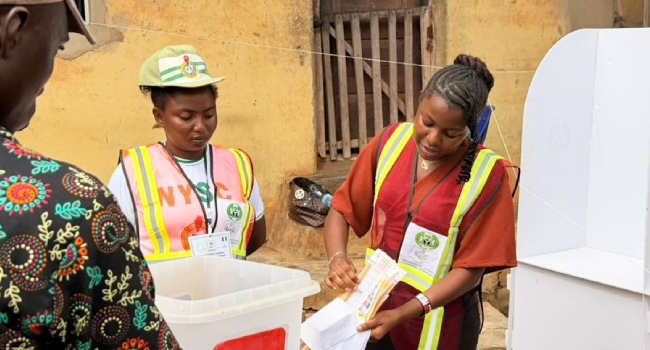
Voting in Ikere-Ekiti faced significant delays on June 20, 2026, due to a glitch in the Bimodal Voter Accreditation System (BVAS) at Polling Unit 6, Ward 4, Agbado Oyo. This malfunction hindered the accreditation of voters, raising concerns about the integrity and efficiency of the electoral process. Similar issues with BVAS were reported in previous elections, suggesting a recurring problem that may undermine public confidence in the electoral system.
Gbenga Sodeinde, a local election observer, noted, “The failure of technology at such a critical moment is disheartening. It raises questions about our preparedness for a smooth electoral process.” The incident not only frustrated voters but also highlighted the continued reliance on technology that, if unreliable, could disenfranchise citizens and alter election outcomes.
As Nigeria moves forward with its electoral reforms, addressing these technological shortcomings will be crucial. Stakeholders must prioritize reliable systems to ensure that future elections are conducted seamlessly, fostering trust and encouraging voter participation in a democracy that remains fragile amidst ongoing challenges.