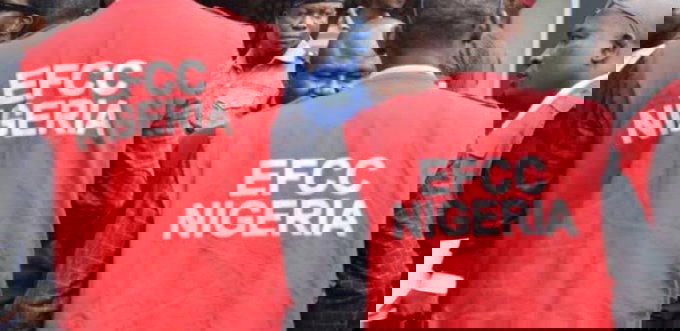
The call for the Economic and Financial Crimes Commission (EFCC) to enforce a forfeiture order on a contentious Abuja property underscores ongoing tensions surrounding property rights and corruption in Nigeria. The Initiative Against Human Rights Abuse and Torture (INAHURAT) has urged the EFCC to act swiftly following a Federal High Court ruling that granted interim forfeiture, emphasizing the need for accountability in the face of alleged human rights violations.
This case highlights the intersection of real estate and legal disputes in Nigeria, where property ownership often involves complex layers of bureaucracy and financial impropriety. The EFCC’s inaction, as noted by INAHURAT’s spokesperson, Dr. Aminat Bello, raises concerns: "Failure to enforce such orders sends a troubling message about the state’s commitment to fighting corruption." The broader implications of this situation may affect public trust in institutions meant to uphold justice and transparency.
Looking ahead, the EFCC's response could set a significant precedent for how similar cases are handled, potentially influencing both public sentiment and the future of property disputes in Nigeria. Enforcing the order may restore some faith in the legal system, while inaction could further entrench perceptions of impunity.