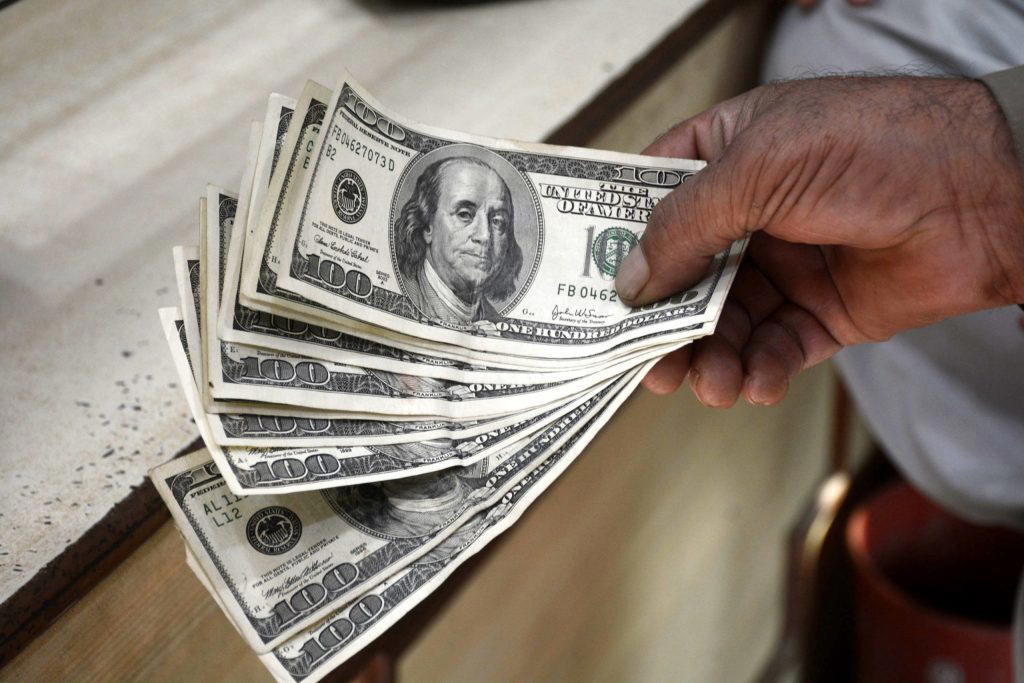
As of June 30, 2026, the Nigerian naira has plunged to an official exchange rate of ₦1,379.80 per US dollar, underscoring the ongoing economic challenges facing Nigeria. This significant depreciation reflects a broader trend of currency instability, fueled by persistent inflation, dwindling foreign reserves, and challenges in oil production, a key revenue source for the nation.
Experts have pointed to the government's inability to implement effective monetary policies as a major contributing factor. "Without decisive actions to stabilize the naira, we risk further economic dislocation and a deepening cost of living crisis," stated Dr. Amina Suleiman, an economist at the Nigerian Economic Institute. The depreciation of the naira has intensified the burden on consumers and businesses, raising the prices of imported goods and services.
Looking ahead, Nigeria's economic landscape remains precarious. Analysts warn that unless the government takes urgent measures to restore investor confidence and bolster the naira, the currency's decline could lead to heightened social unrest and exacerbate the existing economic hardships for millions of Nigerians. Stability in the foreign exchange market is crucial for the country’s recovery and growth prospects.